← All Articles
Lower Your Cancer Risk: A Calm, Step-by-Step Toolkit
Viral lists promise to show you how to never get cancer. No list can promise that, but about 4 in 10 cancers are linked to things we can change. Our free toolkit puts the strongest habits first and gives every popular tip an honest label.
MK Wellness InsightsFounded by Danielle Cordova, Cypress, TX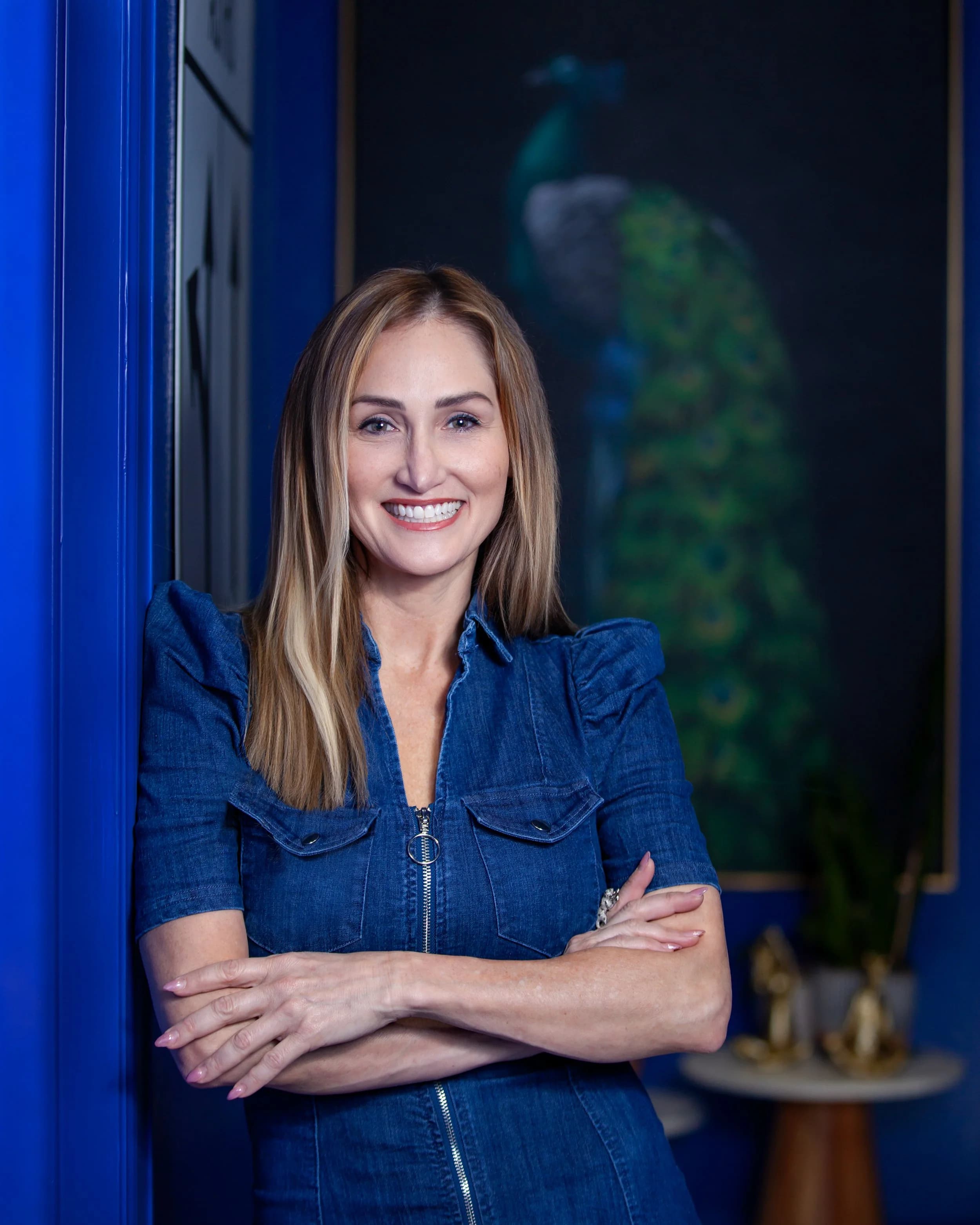
On this page (6 sections)
You've probably seen them: lists with 20 or 30 ways to "never get cancer," from vitamin D to fasting to black seed oil. Many of those ideas are good ones. Some are still mostly lab science. And no list can promise anyone they'll never get cancer.
Here's what is true: in the United States, about 4 in 10 cancers in adults are linked to risks we can change, led by smoking, extra body weight, and alcohol (CA: A Cancer Journal for Clinicians, 2024). Genes, age, and chance matter too, and no one who gets cancer caused it. But you have more say than you think.
The Lower Your Cancer Risk toolkit puts the habits with the strongest research first, then takes the popular tips and gives each one an honest label.
Open the interactive toolkit, or download the free PDF to print and keep.
How to Use It
- Choose where you are: just getting started, cancer runs in your family, or someone you love has cancer. The toolkit shows the first six steps to take.
- Tick each box as you go. Your checkmarks save on your phone or computer.
- Print your questions for your next doctor's visit, with room to write the answers.
The Big Five
These have the strongest research behind them. If you only do a few things, do these.
- Don't smoke or vape. Smoking is still the leading cause of cancer in the U.S. Free help: 1-800-QUIT-NOW.
- Drink less alcohol, or none. The U.S. Surgeon General's 2025 advisory named alcohol the third leading preventable cause of cancer, linked to at least seven cancers, including breast cancer.
- Protect your metabolic health. Extra body fat is linked to 13 cancers (New England Journal of Medicine, 2016). Steady blood sugar and muscle matter more than the scale.
- Move every day. In a study of 1.44 million adults, the most active people had a lower risk of 13 types of cancer (JAMA Internal Medicine, 2016).
- Get morning sun, but never burn. Five or more blistering sunburns in the late teens were linked to an 80% higher melanoma risk (2014).
The 12 Steps at a Glance
- Start here. What you can change, and how to use the toolkit.
- The big five. Tobacco, alcohol, metabolic health, movement, and sun.
- Food that builds the terrain. Fewer ultra-processed foods and processed meats, herb marinades for the grill, broccoli sprouts, and a long overnight break from food.
- Your home. Test for radon, filter your water, and simple swaps for products, cookware, and air.
- Screenings and scans. Today's screening ages, what to ask about CT scans, and where thermography and multi-cancer blood tests fit.
- Know your family history. When to ask about genetic counseling.
- Know your infections. Hepatitis B and C, HPV, and H. pylori.
- Sleep, nature, and calm. Your body clock, forest time, and daily calm.
- Popular tips you'll see online. Vitamin D, fasting, keto, omega-3s, green tea, mushrooms, pomegranate, cold, oxygen, and more, each with an honest label.
- When someone you love has cancer. Support for them, and for you.
- Your MK protocol. How we support the daily foundations.
- Free help and resources. Help lines and trusted guides.
Three Things That Surprise People
Radon. This invisible gas is the leading cause of lung cancer in people who've never smoked, and the second leading cause overall (EPA). Test kits are inexpensive, and high levels can be fixed.
Your grill. Marinating steak in herb and spice marinades rich in rosemary compounds cut the cancer-linked compounds that form during grilling by 57% to 88% (Journal of Food Science, 2008).
CT scans add up. Researchers estimate the 93 million CT scans done in the U.S. in 2023 could lead to about 103,000 future cancers (JAMA Internal Medicine, 2025). Never skip a scan you need, but it's fair to ask, "Is this scan necessary, and is there an option without radiation?"
Our view: the terrain is everything. Your body is designed to heal and to defend itself, and the habits you build every day shape the ground it works on. No one can promise you'll never get cancer, but real food, daily movement, good sleep, a cleaner home, and smart screening tilt the odds in your favor. Start with one step this week.
Where MK Wellness Fits
We're a non-medical wellness spa, and we help clients keep up the daily foundations in this toolkit: movement and oxygen with EWOT and the vibration plate, a good sweat in the infrared sauna, and sleep and calm with PEMF and our Sound Lounge. See the toolkit's "Your MK protocol" step for the full list.
If someone you love has cancer, our Cancer Support Toolkit is a calm, step-by-step guide for the weeks after a diagnosis.
When you need something we don't offer, we connect you with people we trust. Questions? Call or text us at (346) 805-8928.
Go Deeper
- Food Is the Terrain: the Standard American Diet, gluten, grass-fed and grass-finished meat, and where to shop clean
- The Lower Your Cancer Risk Toolkit (interactive) and the PDF
- The Cancer Support Toolkit
- Dr. Benjamin Bikman on insulin resistance
- The non-toxic home
- Sunlight, sunscreen, and sunglasses
MK Wellness services are non-medical and not intended to diagnose, treat, cure, or prevent cancer or any other condition. This guide and the toolkit are general education and deliberately include no doses. Screening recommendations are summarized from the U.S. Preventive Services Task Force for people at average risk; your doctor may recommend a different plan for you.
Put This Into Practice
The Cellular Health & Longevity Protocol at MK Wellness
We build this goal around modalities that work better together. The core of the protocol:
About MK Wellness
MK Wellness was founded by Danielle Cordova after years of searching for real answers for her own family. Our Insights follow The MK Way: root cause over symptoms, the whole body as one system, and honest reporting on what the evidence does and doesn't show. This article is for general education, not medical advice.
Read our story →The MK Way Letter
Root-cause wellness, in your inbox.
Dani's notes on functional health, recovery science, and the habits and tools we actually use, with honest takes on what the research shows. No spam, unsubscribe anytime.
Keep Reading
Ready to start your protocol?
Book at MK Wellness