← All Articles
The Cancer Support Toolkit: A Calm, Step-by-Step Guide
A cancer diagnosis can make everything feel urgent at once. Our free Cancer Support Toolkit breaks it into 13 calm steps: get organized, know the tumor, track your terrain, find trials and help with costs, and build a whole-person team. Save your progress, print your questions, or download the PDF.
MK Wellness InsightsFounded by Danielle Cordova, Cypress, TX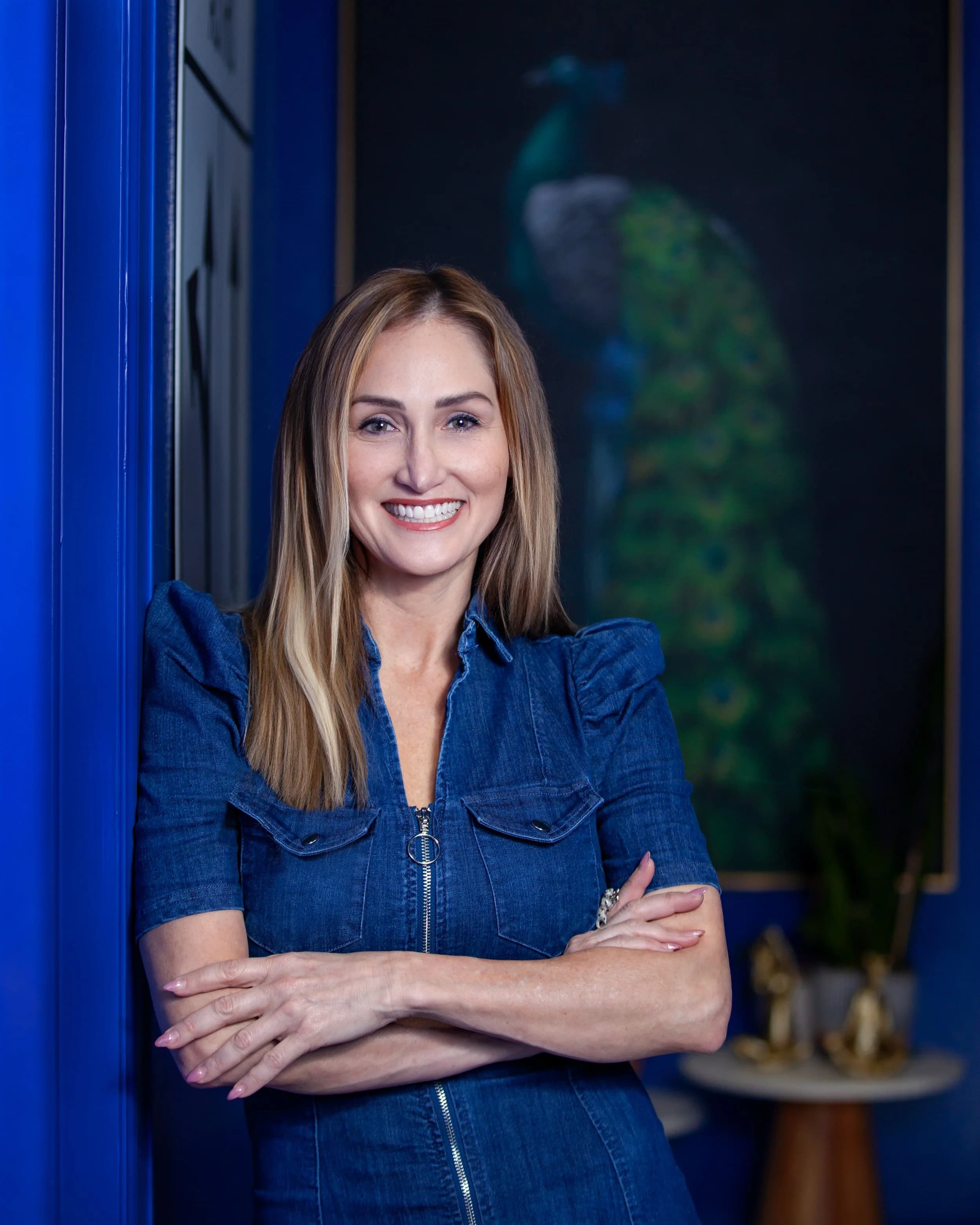
When you hear the word cancer, everything can feel urgent at once: appointments, tests, words you've never heard, and advice from every direction. Take a breath. You don't have to do it all today.
We built the Cancer Support Toolkit to be the calm, step-by-step guide we wish everyone had on day one. It brings together the tools, tests, questions, and holistic approaches we've learned from oncologists, functional and naturopathic doctors, researchers, and survivors, with honest labels on how much research stands behind each idea.
Open the interactive toolkit, or download the free PDF to print or share.
How to Use It
- Choose where you are: just diagnosed, in treatment, or after treatment. The toolkit shows you the first six steps to take.
- Tick each box as you go. Your checkmarks save on your phone or computer, so you can close it and come back anytime. No account needed.
- Bring your questions. Every question to ask is marked, and one tap prints them on a sheet with room to write the answers, or emails them to you.
- Make the text bigger. Tap A+ at the top of the toolkit.
- Share it with a helper. A family member or friend can open the same toolkit and help you work through it.
If You Were Just Diagnosed, Start Here
- Put all your records in one free app, like Guava Health, so you stop logging into five patient portals.
- Ask for biomarker testing of the tumor, ideally before treatment starts. It shows which treatments your cancer is likely to respond to, and it can open the door to targeted therapies and clinical trials.
- Ask whether a second opinion would help, including a second look at your pathology slides.
- Ask about clinical trials that fit your cancer type, stage, and biomarkers. The National Cancer Institute will search for you for free at 1-800-4-CANCER.
- Get a dental exam before treatment starts. Mouth infections can delay chemo or radiation.
- Call a free oncology social worker at CancerCare, 800-813-HOPE (4673), for help with costs, rides, and support.
The 13 Steps at a Glance
- Get organized. Free apps hold your records, a voice memo captures what doctors say, and an optional AI "Healing Navigator" (a great job for a tech-savvy helper) turns appointment notes into next steps.
- Know the tumor. Biomarker and germline testing, copies of every report and scan, and when to ask about re-testing.
- Track what's working. Tumor markers and ctDNA, plus the terrain labs functional practitioners watch: blood sugar and insulin, inflammation, vitamin D, iron, thyroid, and more.
- Look at clinical trials early. Including trials of integrative therapies like IV mistletoe and high-dose IV vitamin C. Here in Houston, the Texas Medical Center may be a short drive away.
- Build your whole team. Your oncologist at the center, with an integrative oncologist, dietitian, pharmacist, acupuncturist, exercise specialist, biological dentist, and emotional support around them, all talking to each other.
- Daily foundations. Cutting sugar, alcohol, and seed oils; building meals around real food; gentle movement; sleep; a daily calming practice; faith; and joy.
- Clear the hidden stressors. The heart of the terrain approach: your mouth (a comprehensive biological dental exam), your home (water, mold, radon, air, products), and your body (gut, chronic infections, sleep and breathing).
- The integrative toolbox. What national guidelines now recommend for symptoms, and the cutting-edge therapies people ask about most, each with an evidence label.
- Choose wisely. Green flags, red flags, and what to do before adding any supplement.
- Your MK protocol. How we build comfort and recovery around you, and what's worth sharing with your care team.
- Help with costs. Social workers, co-pay foundations, free rides, and free lodging.
- Free help lines. The numbers worth saving in your phone.
- Voices we learn from. Survivors and practitioners whose work shaped the toolkit, plus books to explore.
What the Research Shows
The toolkit labels every therapy idea as Strong, Promising, Emerging, or Experimental, so you can see at a glance how much research stands behind it. A few highlights:
- Exercise: In the CHALLENGE trial, a three-year structured exercise program after colon cancer treatment lowered the risk of recurrence, a new cancer, or death by 28% (New England Journal of Medicine, 2025).
- High-dose IV vitamin C: In a University of Iowa randomized trial, adding it to chemo nearly doubled survival in metastatic pancreatic cancer, from 8.3 to 16 months, without adding side effects (Redox Biology, 2024).
- Fasting mimicking diet: In a randomized trial of 131 women with breast cancer, a short fasting mimicking diet around chemo improved tumor response (Nature Communications, 2020).
- Mistletoe: A Johns Hopkins phase I trial of IV mistletoe in 21 people with advanced cancers found manageable side effects, some disease control, and improved quality of life (Cancer Research Communications, 2023).
- Symptom support: National guidelines from ASCO and the Society for Integrative Oncology recommend options like acupuncture, mindfulness, yoga, and exercise for fatigue, pain, anxiety, and depression.
Our view: the terrain is everything. Your oncologist treats the cancer; a whole-person plan supports the body it lives in. You deserve every option, honest information about each one, and a team, conventional and integrative, that talks to each other. The right path is the one you choose with your eyes open.
Where MK Wellness Fits
We don't diagnose or treat cancer. What we offer is support: a calm, caring place for comfort, recovery, and quality of life, with therapies like mild hyperbaric oxygen, PEMF, red light, infrared and HOCATT saunas, lymphatic therapy, and our gentlest options for days when you need rest. We'll build a protocol around you and your treatment timing. See our Cancer Support protocol.
When you need something we don't offer, we connect you with people we trust. For medical questions and regenerative care, we refer our clients to Dr. Tina Hills, D.O., and her practice, PHMX, in Katy.
Questions about the toolkit? Call or text us at (346) 805-8928. We're in your corner.
Go Deeper
- The Cancer Support Toolkit (interactive) and the PDF
- Holistic and Alternative Cancer Support
- Root Canals, Both Sides and Implant and Dental Material Toxicity
- Ketosis and Fasting
- Society for Integrative Oncology and the Natural Health Network directory
MK Wellness services are non-medical and not intended to diagnose, treat, cure, or prevent cancer or any other condition. This guide and the toolkit are for general education, share information about therapies at different stages of research, and deliberately include no doses or protocols. They are not medical advice. Please explore every option with qualified practitioners who know your case. MK Wellness and PHMX are two separate, independent businesses.
Put This Into Practice
The Cancer Support Protocol at MK Wellness
We build this goal around modalities that work better together. The core of the protocol:
About MK Wellness
MK Wellness was founded by Danielle Cordova after years of searching for real answers for her own family. Our Insights follow The MK Way: root cause over symptoms, the whole body as one system, and honest reporting on what the evidence does and doesn't show. This article is for general education, not medical advice.
Read our story →The MK Way Letter
Root-cause wellness, in your inbox.
Dani's notes on functional health, recovery science, and the habits and tools we actually use, with honest takes on what the research shows. No spam, unsubscribe anytime.
Keep Reading
Ready to start your protocol?
Book at MK Wellness