← All Articles
Ketosis and Fasting: When They Help, and Who Should Skip Them
Ketosis and fasting can be powerful tools for metabolic health, inflammation, and gut repair in the right situations. Here's what the research and our experts say, how to do it safely, and who shouldn't.
MK Wellness InsightsFounded by Danielle Cordova, Cypress, TX
Ketosis and fasting are two of the most talked-about tools in functional and metabolic health, and for good reason. Used in the right situations, they can help reset blood sugar, lower inflammation, give the gut a rest, and support the body's own cleanup processes. Used in the wrong situations, like a growing teenage athlete skipping meals or someone on diabetes medication fasting without supervision, they can backfire.
Here's how we think about both at MK Wellness.
What Ketosis Actually Is
Most of the time, your body runs mainly on glucose from carbohydrates. When carbohydrate intake is very low, or when you haven't eaten for a while, insulin drops and the liver starts turning fat into molecules called ketones, which the brain, heart, and muscles can use for fuel. That metabolic state is ketosis.
You can reach ketosis two ways:
- A ketogenic diet: very low carbohydrate, moderate protein, higher fat, usually under about 20 to 50 grams of carbohydrate a day
- Fasting: going without food long enough for insulin to fall and ketone production to rise
Why Our Experts Pay Attention to It
Dr. Benjamin Bikman, whose work on insulin resistance we've covered, researches insulin and ketones. His argument is that chronically high insulin sits beneath many chronic diseases, and that lowering insulin, which both ketogenic eating and fasting do, is one of the most direct ways to improve metabolic flexibility. Ketones also act as signaling molecules, not just fuel, with effects on inflammation that researchers are actively studying.
Dr. Daniel Pompa, whose cellular health work we've covered, is known for "diet variation": cycling between fasting, ketogenic eating, and higher-carbohydrate "feast" days rather than staying in any one mode forever. His view is that the body adapts and heals best when it's periodically challenged, then refed.
Dr. Valter Longo at the University of Southern California developed the "fasting-mimicking diet," a few days of very low calorie, plant-based eating designed to trigger some effects of fasting while still eating. In a 2016 study, cycles of it reduced disease severity in mice with an MS-like condition, and a small pilot study in people with relapsing-remitting MS suggested it was safe and may improve quality of life. Small studies of ketogenic diets in MS have also reported improvements in fatigue and mood. It's one reason this area gets so much attention in autoimmune circles.
What the Research Supports
- Blood sugar and insulin: ketogenic eating and time-restricted eating can lower insulin and improve blood sugar control, which is one of the best-supported benefits.
- Epilepsy: a medically supervised ketogenic diet is an established treatment for some forms of drug-resistant epilepsy, especially in children, one of the clearest proofs that ketosis affects the brain.
- Autophagy: fasting switches on autophagy, the process cells use to break down and recycle damaged parts. It's well documented in animal research. In humans, it's clearly happening, but exactly how long you need to fast for meaningful effects is still being studied.
- Gut rest: fasting gives the digestive tract a break, and early research suggests it can shift the gut microbiome, one reason practitioners sometimes include it in gut repair and autoimmune plans.
- Inflammation: many studies show drops in inflammatory markers with fasting and ketogenic diets, though results vary between people and protocols.
A Practical Ladder, From Gentle to Advanced
You don't have to start with a multi-day water fast. Most people do best climbing gradually:
- A 12-hour overnight fast: finish dinner by 7pm, eat breakfast at 7am. Easy, and a good foundation for almost everyone.
- Time-restricted eating, 14 to 16 hours: eating within an 8 to 10 hour window. Many adults find this improves energy and blood sugar.
- Ketogenic eating for a period: protein, vegetables, and healthy fats, with fruit and starches pulled back for a few weeks. Many people then cycle carbohydrates back in.
- A 24-hour fast, occasionally, once shorter fasts feel easy.
- Multi-day water fasting or a fasting-mimicking protocol: only with guidance from a qualified practitioner, and ideally with lab monitoring.
Electrolytes matter. Ketosis and fasting flush out sodium, potassium, and magnesium, which is what causes the headaches, fatigue, and cramps often called "keto flu." Sea salt in water, a clean electrolyte mix, and magnesium make a big difference.
How you break a fast matters too. After longer fasts, start with small, easy-to-digest meals such as bone broth, eggs, and cooked vegetables, not a huge plate. After multi-day fasts, refeeding too quickly can be dangerous, which is one more reason longer fasts need supervision.
Who Should Skip Fasting and Strict Keto
This part is just as important as the benefits. Talk with your doctor first, and generally avoid fasting and strict ketogenic diets, if you:
- Are a child or teenager, especially a growing athlete. Kids need steady, abundant fuel. Our athlete nutrition guide is built on protein, vegetables, and fruit, not fasting.
- Are pregnant, breastfeeding, or trying to conceive
- Have a history of eating disorders or a complicated relationship with food
- Take insulin or medications that lower blood sugar, since fasting can cause dangerous lows
- Take blood pressure medication, diuretics, or other prescriptions that interact with fluid and electrolyte shifts
- Are underweight, recovering from illness or surgery, or have kidney disease, gout, or type 1 diabetes
- Have an autoimmune condition and take immune-suppressing medication, where any significant diet change should be coordinated with your specialist
Women's bodies can also be more sensitive to longer fasts, especially around ovulation and the days before a period. Many practitioners suggest women keep fasts shorter during those times and pay attention to cycle changes, the same signal we discuss in women's hormone health.
Where MK Wellness Fits
We don't prescribe diets or supervise fasting. What we see is that clients who are working on metabolic health, inflammation, or gut repair often pair it with therapies like infrared sauna, lymphatic therapy, and PEMF to support how they feel along the way. Our Metabolic Health guide and Gut & Microbiome guide collect the rest of our coverage, and we're always happy to talk through what fits your goals.
MK Wellness services are non-medical and not intended to diagnose, treat, cure, or prevent any condition. This article is general education, not medical advice. Fasting and ketogenic diets are not appropriate for everyone and can be dangerous for some people. Talk with your doctor before fasting or making major dietary changes, especially if you take any medication, have a medical condition, or are pregnant or breastfeeding. Multi-day fasts should only be done under qualified supervision.
Mentioned in This Article
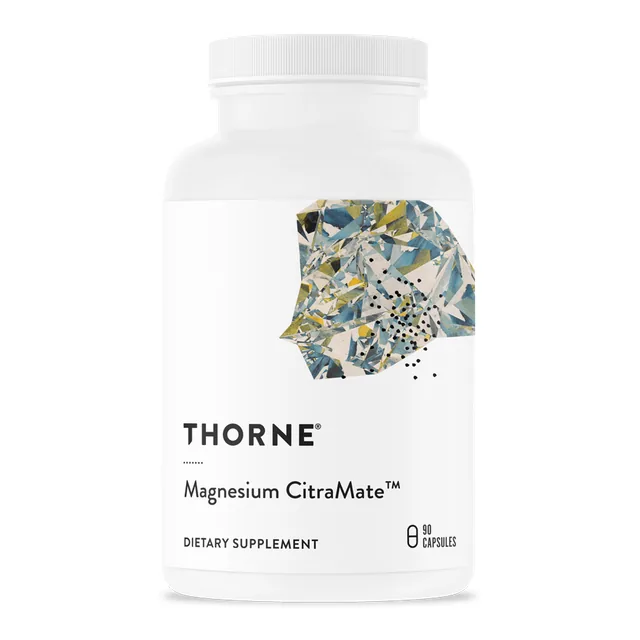
Some links in this article are affiliate or referral links, and MK Wellness may earn a commission at no extra cost to you. Affiliate disclosure.
Put This Into Practice
The Metabolic & Weight Loss Protocol at MK Wellness
We build this goal around modalities that work better together. The core of the protocol:
About MK Wellness
MK Wellness was founded by Danielle Cordova after years of searching for real answers for her own family. Our Insights follow The MK Way: root cause over symptoms, the whole body as one system, and honest reporting on what the evidence does and doesn't show. This article is for general education, not medical advice.
Read our story →The MK Way Letter
Root-cause wellness, in your inbox.
Dani's notes on functional health, recovery science, and the habits and tools we actually use, with honest takes on what the research shows. No spam, unsubscribe anytime.
Keep Reading
Ready to start your protocol?
Book at MK Wellness