← All Articles
Athlete PerformanceAugust 25, 2026· MK Wellness· 8 min read
Athlete Nutrition, The MK Way: Real Food for a Body That's Actually Training
Standard sports nutrition runs on pasta, sandwiches, granola bars, and neon sports drinks. The MK Way is simpler: protein, vegetables, and fruit, built on the metabolic, functional, and animal-based experts we trust.
MK Wellness InsightsFounded by Danielle Cordova, Cypress, TX
Walk through any tournament gym and you'll see the standard sports nutrition playbook in action: bagels, turkey sandwiches, pasta the night before, granola bars and pretzels between games, and a bright blue sports drink to wash it down. It's convenient, and it technically delivers carbohydrates. But it's built almost entirely on refined flour, added sugar, seed oils, and artificial dyes, the exact foods the experts we follow spend their careers warning about.
The MK Way keeps what sports science gets right, athletes need real fuel, timed well, and changes what that fuel is made of. It comes down to three things on every plate: protein, vegetables, and fruit, with rice or potatoes added for extra energy on heavy training and game days.
1. Protein First, at Every Meal
A training body is constantly breaking down and rebuilding muscle, and a growing athlete is building a body at the same time. Most athletes eat far less protein than that work demands, and most of it lands at dinner.
The experts we follow agree on this from different angles. Dr. Peter Attia treats muscle as one of the most important foundations of lifelong health. Dr. Paul Saladino points to animal foods as the most bioavailable source of the nutrients a training body burns through: heme iron, zinc, B12, and complete amino acids. And Dr. Benjamin Bikman notes that protein has minimal effect on insulin, which helps keep energy steady.
In practice: eggs, beef, chicken, fish, and full-fat dairy like Greek yogurt and kefir, built into breakfast, lunch, dinner, and recovery, not saved for the end of the day.
2. Vegetables at Every Meal
Vegetables are where much of an athlete's magnesium, potassium, folate, vitamin C, and fiber comes from, the minerals and nutrients that heavy training and sweat burn through. They also slow digestion enough to keep blood sugar steady, a core idea in Dr. Benjamin Bikman's metabolic research, and a variety of vegetables feeds the gut microbiome that Martha Carlin and Dr. Mark Hyman put at the center of health.
- Aim for color: leafy greens, peppers, carrots, broccoli, zucchini, green beans, beets, cucumbers, squash
- Cook them when it's close to game time. Cooked vegetables digest more easily than big raw salads, which are better on rest days or well before competition.
- Eat the ones your body handles well. Dr. Paul Saladino argues some people react to certain plant compounds, while the microbiome researchers favor a wide variety. We land on individual tolerance: build around the vegetables that leave you feeling good.
3. Fruit Is Athlete Energy
This is where we part ways with strict low-carb eating. What works for a sedentary adult isn't built for a teenager playing four volleyball matches in a day. Hard training runs on glycogen, and athletes genuinely need carbohydrate. We just get it from fruit first.
Fruit is fast fuel that digests easily and comes with water, potassium, vitamin C, and antioxidants built in, without the seed oils or dyes of packaged snacks. Dr. Saladino's animal-based approach leans on fruit and honey as its preferred carbohydrates for the same reason. It's our go-to for breakfast, before games, between matches, and at halftime:
- Bananas, berries, oranges, grapes, apples, melon, mango, pineapple
- Dates and raw honey: fast, easy fuel close to competition
Extra energy on big days. On heavy training days, tournament days, and the night before a game, add a whole-food starch: sweet potatoes, white rice, or potatoes. They refill glycogen and digest easily, and sweet potatoes bring extra vitamin A, vitamin C, and potassium along with the energy.
What about pasta and bread? Many of our clients notice they feel bloated, heavy, or sluggish after pasta and bread, so they aren't the base of our recommendations. If pasta sits well with you, keep it a smaller side next to protein and vegetables rather than the whole plate. For most athletes, sweet potatoes, rice, potatoes, and fruit do the same fueling job without the refined flour. And pairing carbohydrate with protein, as Dr. Bikman's work emphasizes, smooths out the spike-and-crash that shows up as a flat second half.
4. Quality Matters: Organic, Pasture-Raised, and Properly Washed
Eating more vegetables, fruit, and animal protein only helps if the quality is there, and this is one place where our experts from different camps agree.
- Choose organic produce when you can, especially thin-skinned fruits and leafy greens athletes eat a lot of, like berries, grapes, apples, peaches, spinach, and kale. Dr. Hyman often points people to the Environmental Working Group's yearly Dirty Dozen and Clean Fifteen lists to prioritize where organic matters most on a budget.
- Choose grass-fed and pasture-raised animal foods when possible: grass-fed beef, pasture-raised eggs and chicken, and wild-caught fish. Dr. Saladino's animal-based approach puts heavy emphasis on sourcing, and these foods tend to have a better fat profile.
- Wash all produce well, organic included. Rinse under running water while rubbing the surface, and scrub firm produce with a brush. A few minutes in a bowl of water with a teaspoon or so of baking soda, followed by a rinse, has been shown to remove more surface pesticide residue from produce like apples than water alone. Wash and cut fruit at home the night before a tournament so it's ready in the cooler.
Budget tip: frozen organic berries, fruit, and vegetables are often much cheaper than fresh and just as nutritious for smoothies and recovery shakes.
5. Cut the Inflammatory Extras
Most processed sports foods come with ingredients nobody needs: seed oils like soybean and canola, added sugars, and artificial dyes like Red 40 and Blue 1. We've covered why seed oils and sugar drive inflammation, and an athlete trying to recover between sessions is the last person who needs extra inflammatory load.
The simplest rule, one Dr. Mark Hyman has repeated for years: eat food, not food-like products. If it comes in a crinkly wrapper with a long ingredient list, there's usually a whole-food version that works better.
6. Minerals, Not Neon Drinks
Hydration matters: even a 2 percent loss of body weight in fluid measurably hurts performance and focus. But the answer isn't a dyed, sugar-heavy sports drink. Sweat costs sodium, potassium, and magnesium, and those are easy to replace cleanly:
- Water with a pinch of sea salt and a squeeze of citrus
- Coconut water, naturally rich in potassium
- A clean electrolyte mix without dyes or added sugar
- A little honey in the bottle on long tournament days, when real carbohydrate helps
7. Feed the Gut That Feeds the Athlete
The gut is where every one of these nutrients is absorbed, and it's tightly linked to immune health, which matters during long seasons and tournament travel. Martha Carlin's microbiome research and our coverage of the gut-immune connection both point to the same basics: fermented foods like yogurt and kefir, a variety of fruits and vegetables, and fewer ultra-processed foods. Where Dr. Saladino and the microbiome researchers differ on plants, we land on individual tolerance: eat the whole foods that work well for your body.
8. Eat Enough, Especially Girls
The most common nutrition problem we see in young athletes isn't eating the wrong foods. It's not eating enough, whether because of busy schedules, nerves, or pressure around body image. Under-fueling shows up as fatigue, frequent injuries, poor recovery, and in girls, missed or irregular periods. Dr. Lara Briden and the other physicians reshaping women's hormone care are clear that a missing period is a signal, not a badge of hard training. Any athlete losing weight unintentionally or missing cycles should talk with their healthcare provider.
The MK Way Athlete Plate
At most meals, aim for:
- Protein, a palm or two: eggs, beef, chicken, fish, or full-fat yogurt
- Vegetables, half the plate or more: a variety of colors, cooked closer to game time
- Fruit: at breakfast and snacks, and as fast fuel around games
- Energy add-on on big days: a fist or two of sweet potatoes, white rice, or potatoes
- Real fats in normal amounts: butter, olive oil, avocado, tallow, instead of seed oils
For the practical version, see what to eat before competition, real game-day examples for volleyball and football, and the recovery window after games.
Where MK Wellness Fits
Food is the foundation, and our recovery modalities build on it. Our Student Recovery membership and Student Day Pass pair compression, red light, EWOT, and more with this kind of real-food fueling, and we're always happy to talk through how it fits a specific training schedule.
MK Wellness services are non-medical and not intended to diagnose, treat, cure, or prevent any condition. This article summarizes our approach and the published views of the experts named for general education, not individualized dietary or medical advice. Growing athletes have unique needs: consult a physician, registered dietitian, or functional nutrition practitioner for guidance specific to your athlete, especially with any food allergies, medical conditions, unintended weight loss, or missed periods.
Mentioned in This Article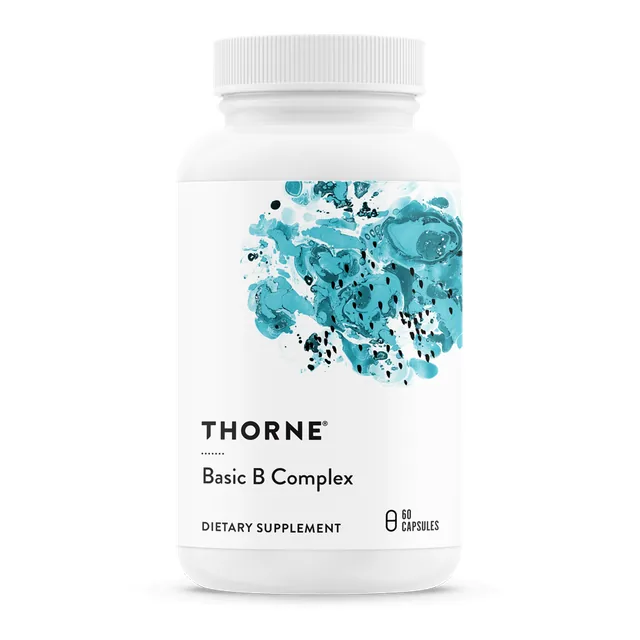
Thorne Basic B Complex
B vitamins that support energy metabolism, part of a daily foundation. Available through our Thorne dispensary.
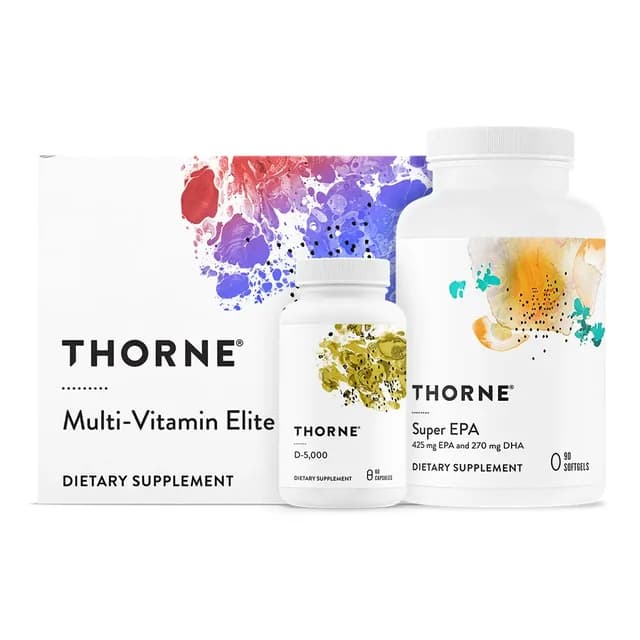
Shop Now →Thorne Foundational Stack for Athletes
A bundle covering bone/joint, fish oil and omegas, and more, built for athletes. Available through our Thorne dispensary.
Shop Now →Some links in this article are affiliate or referral links, and MK Wellness may earn a commission at no extra cost to you. Affiliate disclosure.
Put This Into Practice
The Athlete Recovery Protocol at MK Wellness
We build this goal around modalities that work better together. The core of the protocol:
About MK Wellness
MK Wellness was founded by Danielle Cordova after years of searching for real answers for her own family. Our Insights follow The MK Way: root cause over symptoms, the whole body as one system, and honest reporting on what the evidence does and doesn't show. This article is for general education, not medical advice.
Read our story →The MK Way Letter
Root-cause wellness, in your inbox.
Dani's notes on functional health, recovery science, and the habits and tools we actually use, with honest takes on what the research shows. No spam, unsubscribe anytime.
Keep Reading
Ready to start your protocol?
Book at MK Wellness