← All Articles
Why We've Moved Past RICE: What Current Injury Recovery Research Actually Supports
The man who coined RICE in 1978 publicly reversed his own advice in 2015. The research explains why, and what's replaced it.
MK Wellness InsightsFounded by Danielle Cordova, Cypress, TX
Rest, Ice, Compression, Elevation has been the default advice for soft tissue injury for decades, repeated by coaches, trainers, and parents so consistently that it's rarely questioned. It's worth knowing that the physician who coined the term, Dr. Gabe Mirkin, in 1978, publicly reversed his position on two of its four components in 2015, stating plainly that the science no longer supported routine icing as a recovery tool.
Why Ice and Rest Came Under Question
Inflammation isn't a malfunction the body needs rescuing from. It's the first, necessary phase of tissue repair, bringing immune cells and growth factors to the injury site to begin rebuilding it. Icing an injury constricts blood vessels, and while that provides real short-term pain relief, it also slows the delivery of the very cells and signaling molecules that drive repair. Research reviewing this mechanism has found that aggressive or prolonged icing may measurably delay healing rather than speed it.
Prolonged rest carries its own cost: muscle atrophy begins quickly once a body part is immobilized, and tissue that isn't being appropriately loaded doesn't rebuild its mechanical strength as effectively, which is part of why extended immobilization has been linked to a higher rate of reinjury once activity resumes.
What's Replaced It
In 2019, the British Journal of Sports Medicine published the PEACE & LOVE protocol, now widely adopted across sports medicine, as an evidence-based update. The first 1 to 3 days focus on Protection, elevation, and avoiding anti-inflammatory approaches, including excessive icing and anti-inflammatory medication, that would blunt the repair process the body has just initiated. After that early window, the LOVE phase shifts toward Vascularisation, actively supporting blood flow through heat, massage, and low-intensity movement, alongside progressive loading and exercise to rebuild strength and function.
Why Vascularization Matters So Much
Healing tissue needs blood flow to deliver the oxygen, nutrients, and repair signals the process depends on. Heat, unlike ice, dilates blood vessels rather than constricting them, supporting rather than restricting that delivery. This is the research basis behind why a warm soak, once the acute, initial inflammatory window has passed, has become a more commonly recommended recovery tool than the old advice to ice everything, all the time.
A Practical Note
None of this means ice is never appropriate, or that every injury should be treated identically. Severity, location, and type of injury all matter, and this is exactly why an actual evaluation, by a physician, athletic trainer, or physical therapist, needs to come first, not a generic protocol applied blindly. What this research does support is moving away from "ice everything, always" as a default, and toward a more active, circulation-supportive approach once that evaluation has happened.
Where MK Wellness Fits
An at-home warm water soak, once appropriate for the specific injury and timeline, is a simple, accessible way to support the vascularization phase of recovery. In the spa, Infrared Sauna and Compression Therapy Boots support the same circulation-driven repair process, and PEMF's FDA clearance for nonunion fracture healing reflects this same underlying principle: supporting the body's repair systems rather than suppressing the process that drives them.
MK Wellness services are non-medical and not intended to diagnose, treat, cure, or prevent any condition. This article summarizes published sports medicine research for educational purposes and is not a substitute for individualized medical evaluation. Always have an injury evaluated by a physician, athletic trainer, or physical therapist before choosing a recovery approach.
Mentioned in This Article
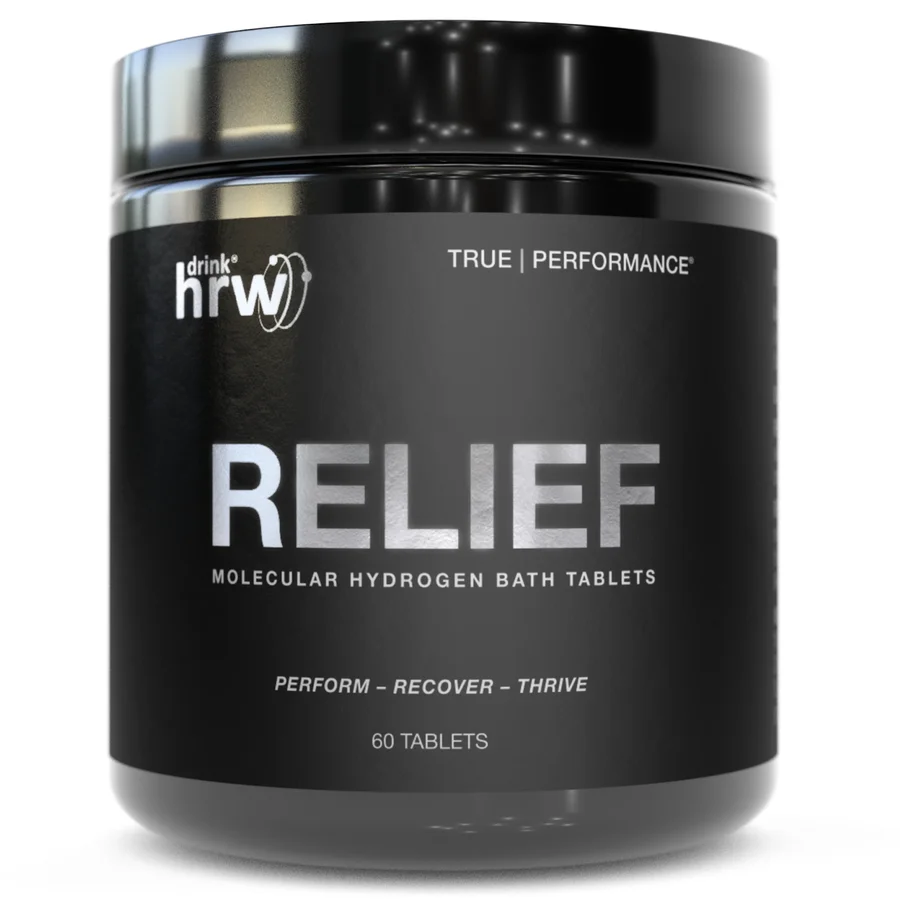
Some links in this article are affiliate or referral links, and MK Wellness may earn a commission at no extra cost to you. Affiliate disclosure.
Put This Into Practice
The Recovery & Healing Protocol at MK Wellness
We build this goal around modalities that work better together. The core of the protocol:
About MK Wellness
MK Wellness was founded by Danielle Cordova after years of searching for real answers for her own family. Our Insights follow The MK Way: root cause over symptoms, the whole body as one system, and honest reporting on what the evidence does and doesn't show. This article is for general education, not medical advice.
Read our story →The MK Way Letter
Root-cause wellness, in your inbox.
Dani's notes on functional health, recovery science, and the habits and tools we actually use, with honest takes on what the research shows. No spam, unsubscribe anytime.
Keep Reading
Ready to start your protocol?
Book at MK Wellness