Recovery Science
Recovery is where training turns into progress. It’s also where most people cut corners. Rest, sleep, nutrition, and circulation do the real work of repair, and the right modalities can support each of them.
Recovery science has also changed. Many coaches have moved past rigid ice-everything approaches toward supporting circulation and the body’s own repair process. We cover what the evidence actually supports, including where it’s still mixed.
Match recovery to the moment
What you need the day after a game is different from what you need mid-season or during an injury.
Circulation drives repair
Compression, heat, and light all work partly by moving blood and lymph through tired tissue.
Stack with intention
Therapies combined in the right order can do more together than any one alone.
Start Here
Athlete Performance · 3 min readWhy We've Moved Past RICE: What Current Injury Recovery Research Actually Supports
The man who coined RICE in 1978 publicly reversed his own advice in 2015. The research explains why, and what's replaced it.
Read the article →Keep Learning
Before and After Stem Cells: How to Prime Your Body and Support Your Recovery
Read →Recovery Science · 4 minBefore and After Surgery: How to Prepare Your Body and Support Your Recovery
Read →Recovery Science · 2 minThe Case for Passive Recovery: Compression, Vibration, and Why Rest Isn't Lazy
Read →Tips · 2 minHow to Get the Most Out of Every Recovery Session
Read →Athlete Performance · 3 minBuilding an Elite Recovery Stack: Matching Modalities to Where You Are in Your Training Cycle
Read →Recovery Science · 2 minCold Plunge vs. Whole-Body Cryotherapy: What's the Difference, and Which Do You Need
Read →Recovery Science · 2 minInfrared Sauna Isn't Just a Hotter Room: How Far-Infrared Heat Actually Works
Read →Recovery Science · 3 minWhat Red Light Therapy Actually Does at the Cellular Level
Read →Biohacking · 3 minPEMF Therapy: How It Works at the Cellular Level, and What the Research Shows
Read →Recovery Science · 3 minMild Hyperbaric Oxygen: The Hyperoxic-Hypoxic Paradox, and Why 'Mild' Actually Matters
Read →Recovery Science · 3 minThe Synergy Protocol: How Stacking Therapies Multiplies Results
Read →Athlete Performance · 3 minSupporting the Body Through Injury Recovery, Without Slowing Down What's Working
Read →Protocols That Support Recovery
We build protocols around goals, combining therapies that work better together. These are the ones most related to this topic.
Support at Home
The at-home tools we actually use and recommend for this area, to keep your routine going between visits.
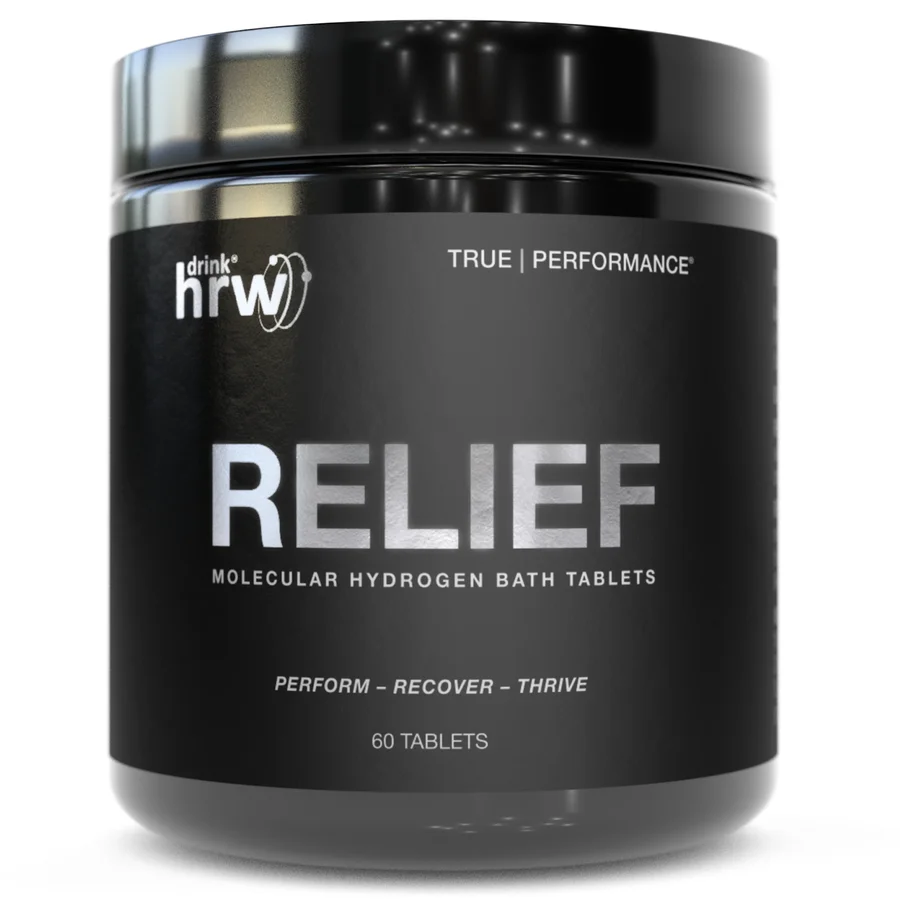
DrinkHRW Relief Bath Tablets
At-home hydrogen bath tablets, dissolved in a soak for muscle soreness and joint discomfort.
Shop Now →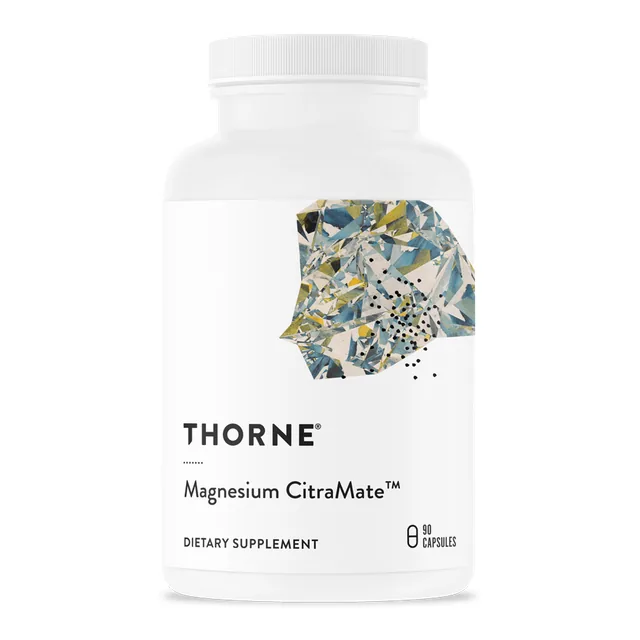
Thorne Magnesium CitraMate
Highly absorbable magnesium some athletes use to support muscle relaxation and recovery. Available through our Thorne dispensary.
Shop Now →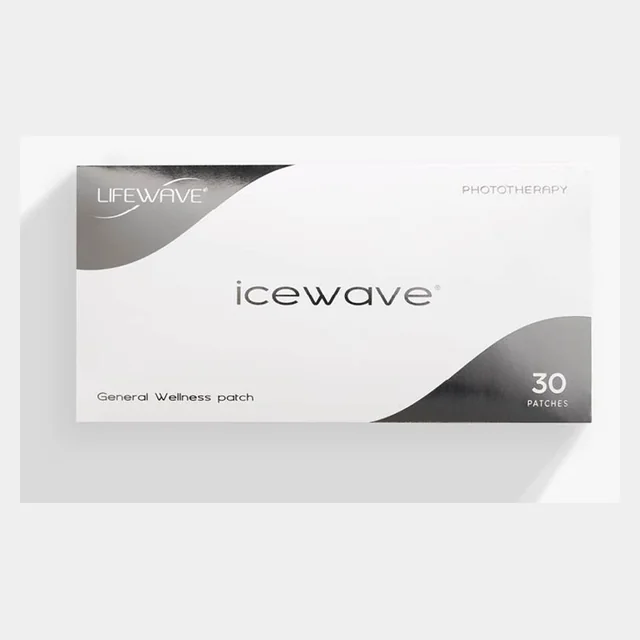
IceWave Patch
Drug-free patch many athletes use for soreness and discomfort.
Learn More →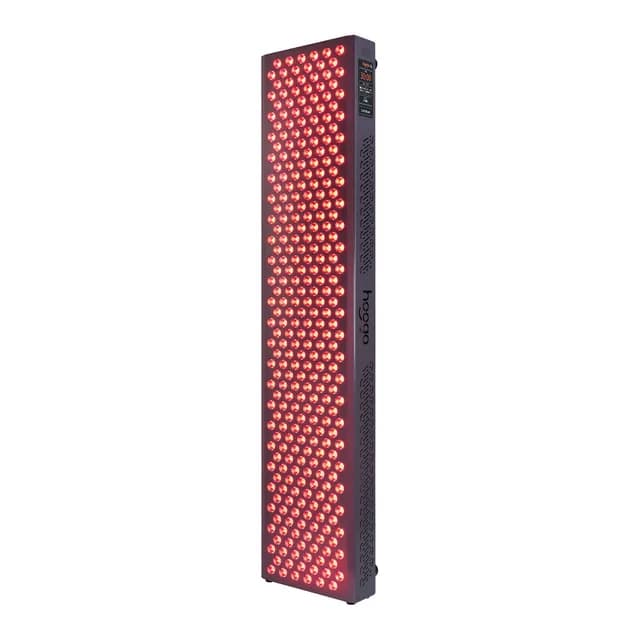
Hooga ULTRA1500 Full-Body Panel
Full-body red and near-infrared panel that covers head to hip in one position, the closest at-home match to our in-spa red light sessions.
Shop Now →Some links are affiliate links, and MK Wellness may earn a commission at no extra cost to you (disclosure).
Common Questions
Should I use heat or ice?
Ice may help calm pain in the first day or two after an acute injury. Once the initial swelling settles, many people find gentle heat and movement help more. For any real injury, get guidance from a healthcare provider.
Cold plunge or whole-body cryotherapy: what’s the difference?
A cold plunge uses cold water. Cryotherapy uses very cold air for a shorter time. Both create a cold stimulus, but they feel different and suit different goals. Our article on cold therapy compares them.
How often should I do recovery sessions?
It depends on your training load and goals. Many active clients do two to four sessions a week, and we adjust timing around competition and hard training days.
For general education only, not medical advice. MK Wellness services are wellness services, not medical treatment.