← All Articles
What Red Light Therapy Actually Does at the Cellular Level
The textbook explanation involves a mitochondrial enzyme called cytochrome c oxidase. A 2023 research workshop concluded that's probably only part of the story.
MK Wellness InsightsFounded by Danielle Cordova, Cypress, TX
Red light therapy, also called photobiomodulation, has one of the more specific proposed mechanisms of any modality we offer, and also one of the more actively debated ones. The textbook version is accurate as far as it goes. The current research picture is a bit more nuanced.
The Textbook Mechanism
Red and near-infrared light, roughly in the 630 to 850 nanometer range, is absorbed by cytochrome c oxidase, an enzyme in the mitochondrial electron transport chain. That absorption is thought to boost electron transport activity, increasing ATP production, along with a brief, useful increase in reactive oxygen species and intracellular calcium that helps trigger downstream repair signaling.
Why the Story Got More Complicated
A National Institute on Aging research workshop in 2023 concluded that cytochrome c oxidase absorption alone doesn't fully explain photobiomodulation's effects. Other proposed mechanisms include light interacting with other heme-containing proteins and light-sensitive receptors called opsins, the release of nitric oxide bound to cytochrome c oxidase (which causes vasodilation and improved blood flow), and a more recent biophysical theory involving light reducing the viscosity of water near ATP synthase, speeding up ATP production through a completely different pathway. The honest summary: cytochrome c oxidase is still the leading explanation, but it's not the whole explanation, and this is an active area of research rather than settled science.
Wavelength and Dose Actually Matter
Red light in the 630 to 660nm range penetrates roughly 1 to 3 centimeters, making it well suited for skin and collagen-focused applications. Near-infrared light at 810 to 850nm penetrates considerably deeper, which is why it's used for muscle, joint, and deeper tissue applications. Most effective clinical protocols combine both wavelength bands rather than using just one. Dose matters too: research generally points to an optimal range, too little light doesn't trigger a meaningful response, and counterintuitively, too much can blunt the effect rather than enhance it. This is one of the reasons professional-grade panels, calibrated to deliver a specific, studied dose, differ meaningfully from many consumer devices on the market.
Where the Evidence Is Strongest, and Weakest
The most consistent, well-supported evidence is in photoaging and collagen production, and in androgenetic hair loss, both showing modest but measurable, repeatable effects. Evidence for acne, melasma, and pigmentation conditions is considerably weaker and more inconsistent across studies. This unevenness matters: photobiomodulation isn't a single intervention with one universal effect, it's a mechanism whose outcome depends heavily on the tissue, condition, wavelength, and dose involved.
A Real, Practical Problem
Dermatology researchers reviewing the consumer red light market have flagged a genuine issue: marketing claims frequently outpace the underlying evidence, and there's no regulatory requirement for consumer devices to disclose the actual irradiance and dose they deliver. A device advertised as "red light therapy" doesn't guarantee it delivers anything close to the wavelength and dose used in the studies its marketing cites. This is part of why we use professional-grade equipment calibrated to deliver a known, consistent dose, rather than a generic consumer panel.
Where This Leaves Us
The mechanism is real, increasingly well-studied, and still being refined. The clinical effect size varies meaningfully by application, strongest for skin and hair, more modest and inconsistent elsewhere, and dose and wavelength are not interchangeable details, they're central to whether a session does anything at all.
MK Wellness services are non-medical and not intended to diagnose, treat, cure, or prevent any condition. This article summarizes published research for educational purposes. Consult your physician before starting any wellness program.
Mentioned in This Article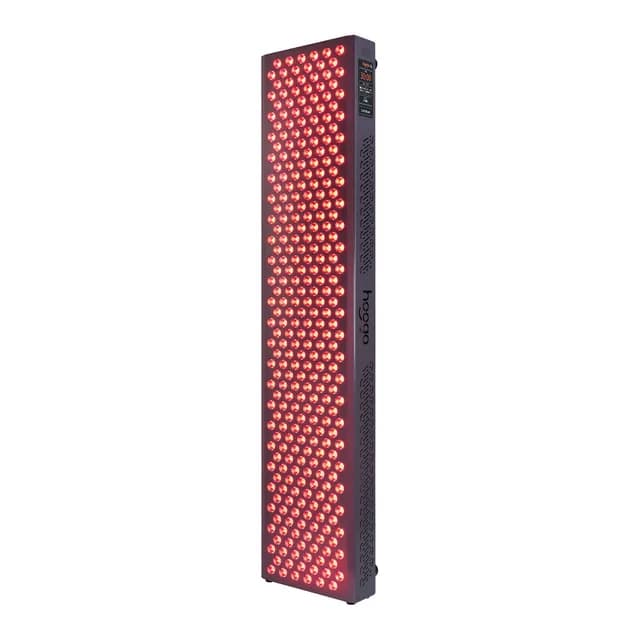
Hooga ULTRA1500 Full-Body Panel
Full-body red and near-infrared panel that covers head to hip in one position, the closest at-home match to our in-spa red light sessions.
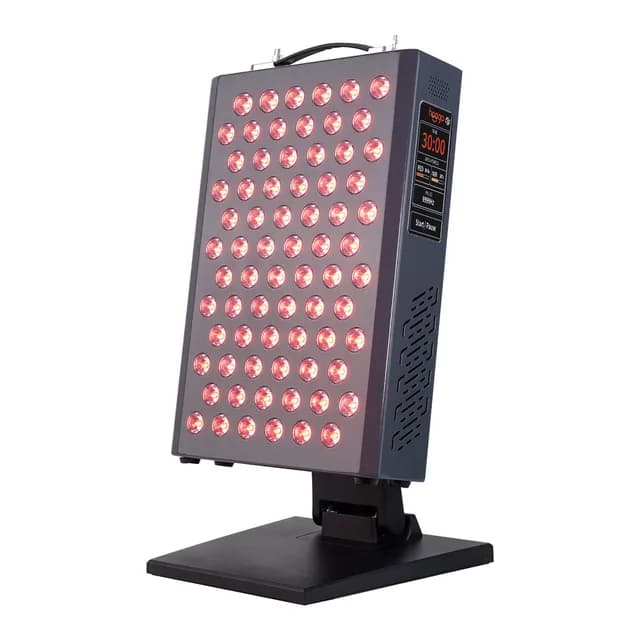
Shop Now →Hooga ULTRA360 Red Light Panel
Compact tabletop red and near-infrared panel (630, 660, 810, 850nm), for targeted at-home sessions on a specific area.
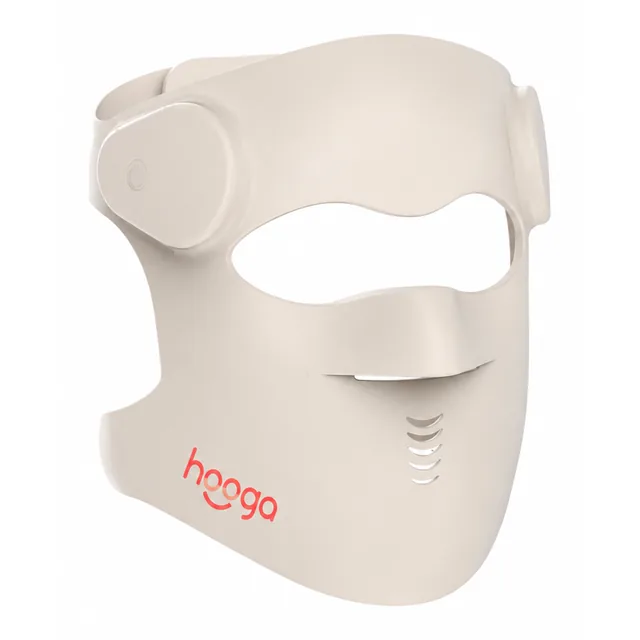
Shop Now →Hooga Luma LED Face Mask
Wireless LED face mask with red, near-infrared, and blue light modes, FDA-cleared for wrinkles and mild-to-moderate acne.
Shop Now →Some links in this article are affiliate or referral links, and MK Wellness may earn a commission at no extra cost to you. Affiliate disclosure.
Put This Into Practice
The Recovery & Healing Protocol at MK Wellness
We build this goal around modalities that work better together. The core of the protocol:
About MK Wellness
MK Wellness was founded by Danielle Cordova after years of searching for real answers for her own family. Our Insights follow The MK Way: root cause over symptoms, the whole body as one system, and honest reporting on what the evidence does and doesn't show. This article is for general education, not medical advice.
Read our story →The MK Way Letter
Root-cause wellness, in your inbox.
Dani's notes on functional health, recovery science, and the habits and tools we actually use, with honest takes on what the research shows. No spam, unsubscribe anytime.
Keep Reading
Ready to start your protocol?
Book at MK Wellness