← All Articles
Gut Health and Autoimmunity: How to Repair, Then Rebuild
Autoimmune conditions like MS, Hashimoto's, and rheumatoid arthritis are increasingly linked to the gut. Here's the functional medicine 5R framework for repairing the gut, then rebuilding it with the right foods, supplements, and fermented-food bacteria.
MK Wellness InsightsFounded by Danielle Cordova, Cypress, TX
If you live with an autoimmune condition, whether that's multiple sclerosis, Hashimoto's, rheumatoid arthritis, psoriasis, lupus, or celiac disease, you've probably heard the phrase "healing starts in the gut." It's not just a wellness slogan. It reflects one of the most active areas of immune research today, and it's the reason gut health sits at the center of how we think about autoimmunity at MK Wellness.
This article walks through why the gut matters for autoimmune health, then lays out a step-by-step approach functional medicine practitioners use to repair the gut first and rebuild it second.
An important note before we start: this is education, not treatment. Autoimmune conditions, and MS in particular, need ongoing care from a qualified medical team. Nothing here replaces your neurologist, rheumatologist, or prescribed medications. Never stop or change a medication without your doctor. The goal is to help you understand the gut side of the picture so you can have better conversations with your providers and support your body alongside your care.
Why the Gut Matters for Autoimmunity
A large share of the immune system's tissue lines the digestive tract. The gut wall is where your immune system meets the outside world every time you eat, constantly deciding what's food, what's a threat, and what to ignore. We covered this in depth in the gut-immune connection.
Two ideas drive most of the research linking the gut to autoimmunity:
- The microbiome. The trillions of bacteria in your gut help train and calm the immune system. Large studies have found that people with autoimmune conditions tend to have different gut bacteria than people without them. In MS specifically, a large international study published in 2022 compared people with MS to healthy people living in their own households, and found consistent differences in gut bacteria, even with diet and environment partly shared.
- The gut barrier. The lining of the intestine is meant to let nutrients through while keeping larger particles out. When that barrier is stressed, often called increased intestinal permeability or "leaky gut," more of what's inside the gut can reach the immune system. Increased permeability has been observed alongside many autoimmune conditions.
Autoimmunity is complex, involving genetics, environment, infections, vitamin D, stress, and more. The gut is one of the few parts of that picture you can influence every single day, which is why it's such a powerful place to start.
Repair, Then Rebuild: The 5R Approach
Functional medicine practitioners often use a framework called the 5Rs, developed and taught by the Institute for Functional Medicine. It's a logical order of operations: stop the damage, support digestion, repopulate the good bacteria, heal the lining, and keep the whole system in balance.
In practice, the first stages are about repair and the later stages are about rebuilding. Many people work through them over several months with a practitioner, often overlapping the steps.
Stage 1: Remove
The first step is taking away what keeps irritating the gut, so repair has a chance to work.
- Ultra-processed foods, added sugar, and refined seed oils, the same inflammatory load we covered in what's really driving inflammation
- Alcohol, which directly stresses the gut lining
- Personal food triggers. Many people with autoimmune conditions work with a practitioner on a structured elimination approach, like the Autoimmune Protocol (AIP), to identify foods such as gluten, dairy, or others that they personally react to. The point isn't restriction forever, it's finding your triggers and then reintroducing foods carefully.
- Hidden gut stressors. A functional practitioner may test for issues like bacterial overgrowth (SIBO), parasites, or yeast. Frequent NSAID pain relievers can also irritate the gut lining, so talk with your doctor about alternatives.
- Chronic stress, which measurably affects gut permeability and the microbiome.
Stage 2: Replace
Many people with gut and autoimmune issues don't break down food well, which leaves undigested food feeding the wrong bacteria. This stage supports digestion itself.
- Chew thoroughly and eat sitting down, relaxed. Digestion starts in a calm nervous system.
- Digestive enzymes are sometimes used with meals to help break down food.
- Stomach acid support such as betaine HCl is used by some practitioners, but it isn't right for everyone, especially anyone with ulcers or who takes NSAIDs or steroids. This is one to do only with guidance.
Stage 3: Reinoculate (Rebuilding the Good Bacteria)
This is the rebuilding stage, and it's where fermented foods shine.
In a 2021 study from Stanford University published in the journal Cell, healthy adults who ate a diet high in fermented foods for 10 weeks saw their gut bacteria become more diverse, and levels of 19 inflammatory proteins in their blood went down, including one called interleukin-6 that's elevated in many autoimmune conditions. It was a small study in healthy people, not in people with autoimmune disease, but it's one of the clearest demonstrations that what you eat can shift both the microbiome and inflammation in a matter of weeks.
Fermented foods to rotate in:
- Sauerkraut and kimchi: look for refrigerated, raw, unpasteurized versions, since shelf-stable jars are usually heat-treated and the live bacteria are gone
- Kefir: a fermented milk with a wider range of bacteria and yeasts than yogurt; coconut or water kefir if you avoid dairy
- Plain yogurt with live cultures: full-fat and unsweetened, sweeten with fruit or a little honey
- Fermented vegetables and pickles: brine-fermented, not vinegar pickles
- Miso and natto
- Kombucha: choose low-sugar versions
How to start: go slowly. Begin with a forkful of sauerkraut or a few spoonfuls of kefir a day and build up over a few weeks. Too much too fast can cause bloating. Some people, including those with histamine intolerance or untreated SIBO, react poorly to fermented foods, which is a sign to pause and work with a practitioner.
Feed the bacteria, too. Good bacteria need fuel, which comes from a variety of vegetables, fruit, and fiber, sometimes called prebiotics. Garlic, onions, leeks, asparagus, slightly green bananas, and cooked-and-cooled potatoes and rice are especially good food for beneficial bacteria. Add these gradually as well.
Probiotic supplements can help some people, and practitioners often choose specific strains for specific goals. If you take immune-suppressing medications for MS or another autoimmune condition, ask your doctor before starting any probiotic.
Stage 4: Repair (Supporting the Gut Lining)
With irritants reduced and good bacteria returning, this stage focuses on nutrients the gut lining uses to rebuild. These are among the supplements functional medicine practitioners most often discuss:
- L-glutamine: an amino acid that's a primary fuel for the cells lining the intestine
- Zinc, including a form called zinc carnosine that has been studied for gut lining support
- Collagen and bone broth, rich in the amino acids glycine and proline
- Omega-3 fats from fish oil or fatty fish, for their role in resolving inflammation
- Vitamin D: low vitamin D is one of the most consistently documented risk factors for MS, and it plays an important role in immune regulation. Ask your doctor to test your level rather than guessing at a dose.
- Butyrate, a short-chain fat that gut bacteria normally make from fiber, and the main fuel for colon cells
- Magnesium, often low in people under chronic stress
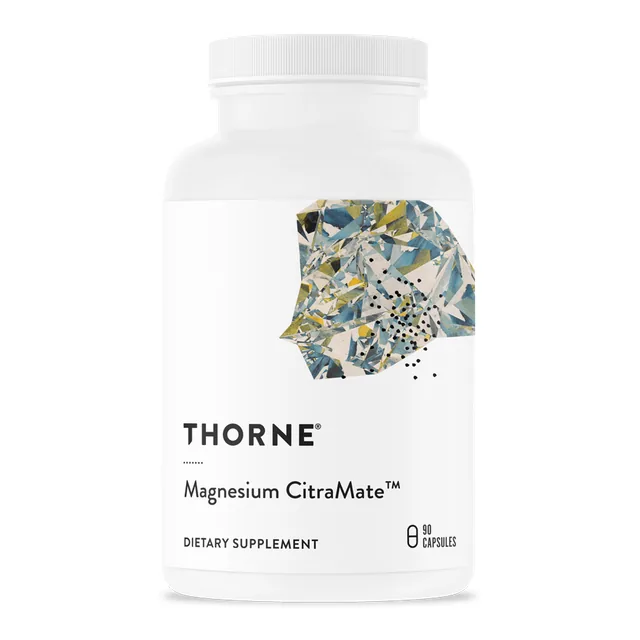
Supplements should be chosen with a provider, especially alongside prescription medications, and quality matters. At MK Wellness, we carry Thorne's NSF-certified L-glutamine and magnesium for clients who've decided with their practitioner that these fit their plan.
Stage 5: Rebalance
The gut doesn't heal in isolation. The final R is everything else that keeps the immune system calm:
- Sleep: seven to nine hours, on a consistent schedule. Our sleep article covers what matters most.
- Stress and the nervous system: chronic stress weakens the gut barrier. Breathing practices, time outdoors, and activities that shift you into rest-and-repair all count. We cover this in the nervous system reset.
- Movement that fits your energy and your condition
- Sunlight and time outdoors, which also support vitamin D
- Fasting and ketosis, in the right situations. Some practitioners use time-restricted eating, periods of ketogenic eating, or supervised fasting to give the gut a rest and calm inflammation. It isn't right for everyone, so read who should skip them and talk with your provider first.
What Healing Looks Like Over Time
Gut repair isn't a two-week cleanse. Most practitioners think in terms of months: a few weeks to remove triggers and calm the gut, then ongoing rebuilding with fermented foods, fiber, and targeted support. Keep notes on energy, digestion, sleep, skin, and symptoms, and review them with your care team. Improvements are often gradual, and setbacks during stressful periods are normal.
Where MK Wellness Fits
We don't treat autoimmune conditions. What we offer is support for the "rebalance" side of the picture: therapies many clients use for stress, sleep, circulation, and recovery alongside the care they get from their own providers. Our Autoimmune Support protocol shows how we approach it, and our Gut & Microbiome guide collects everything we've written on the gut.
If you're working with a functional or integrative practitioner, they may find it helpful to know what you're doing at the spa, and we're always happy to talk through what fits your situation.
MK Wellness services are non-medical and not intended to diagnose, treat, cure, or prevent any condition, including multiple sclerosis or any autoimmune disease. This article is general education only. Autoimmune conditions require ongoing care from qualified medical providers. Do not stop, start, or change any medication, and talk with your doctor before starting supplements, probiotics, or significant dietary changes, especially if you take immune-suppressing medications or are pregnant.
Mentioned in This Article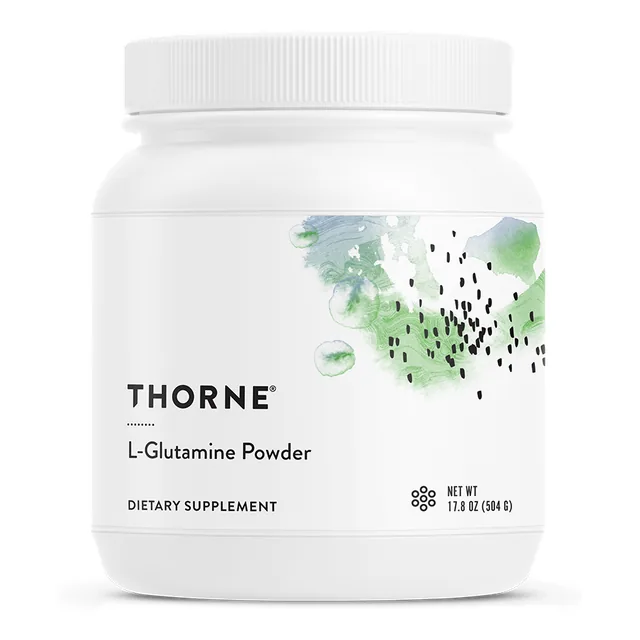
Thorne L-Glutamine Powder
Amino acid some athletes use to support gut health and recovery. Available through our Thorne dispensary.
Shop Now →Thorne Magnesium CitraMate
Highly absorbable magnesium some athletes use to support muscle relaxation and recovery. Available through our Thorne dispensary.
Shop Now →Some links in this article are affiliate or referral links, and MK Wellness may earn a commission at no extra cost to you. Affiliate disclosure.
Put This Into Practice
The Autoimmune Support Protocol at MK Wellness
We build this goal around modalities that work better together. The core of the protocol:
About MK Wellness
MK Wellness was founded by Danielle Cordova after years of searching for real answers for her own family. Our Insights follow The MK Way: root cause over symptoms, the whole body as one system, and honest reporting on what the evidence does and doesn't show. This article is for general education, not medical advice.
Read our story →The MK Way Letter
Root-cause wellness, in your inbox.
Dani's notes on functional health, recovery science, and the habits and tools we actually use, with honest takes on what the research shows. No spam, unsubscribe anytime.
Keep Reading
Ready to start your protocol?
Book at MK Wellness