← All Articles
Molecular Hydrogen: The Smallest Antioxidant Doing Some of the Most Targeted Work
Hydrogen is the smallest molecule that exists, which turns out to be exactly why it can do something most antioxidants can't: reach inside the mitochondria itself.
MK Wellness InsightsFounded by Danielle Cordova, Cypress, TX
Antioxidants are usually discussed as a single category, as if vitamin C, glutathione, and hydrogen gas all work the same way. They don't. Size and selectivity turn out to matter enormously, and molecular hydrogen's tiny size is what makes it uniquely useful.
Why Size Matters for an Antioxidant
Oxidative stress happens when reactive oxygen species, unstable molecules produced during normal metabolism and in response to stress, toxins, and inflammation, accumulate faster than the body can neutralize them. Most antioxidants work broadly throughout the body and bloodstream. Molecular hydrogen is small enough to cross cell membranes and the mitochondrial membrane specifically, reaching the exact location where a significant share of reactive oxygen species are produced in the first place.
Research on molecular hydrogen also points to a selective effect: it appears to preferentially neutralize the most damaging reactive oxygen species while leaving some of the signaling molecules the body needs for normal cellular communication intact, rather than acting as a blanket antioxidant.
What This Looks Like in Practice
Molecular hydrogen can be delivered through hydrogen-infused water, inhalation, or hydrogen-generating tablets dissolved in water. Devices like the Nano Vi take a related approach, using an electrochemical process to generate hydrogen-rich, excitatory water vapor that supports protein folding and cellular repair mechanisms at the mitochondrial level.
Where the Research Interest Is Strongest
Current research interest in molecular hydrogen spans mitochondrial function and cellular energy production, exercise recovery and reduction of exercise-induced oxidative stress, and general markers of oxidative stress and inflammation. This remains an area of active and ongoing research rather than settled clinical consensus, and claims in this space should be evaluated with that in mind.
How We Use It at MK Wellness
Our Nano Vi + Mitolux UVB session pairs hydrogen-rich excitatory water vapor with targeted ultraviolet biophoton exposure, combining the mitochondrial-support angle of molecular hydrogen with the immune and vitamin D synthesis benefits of UVB light exposure in a single session.
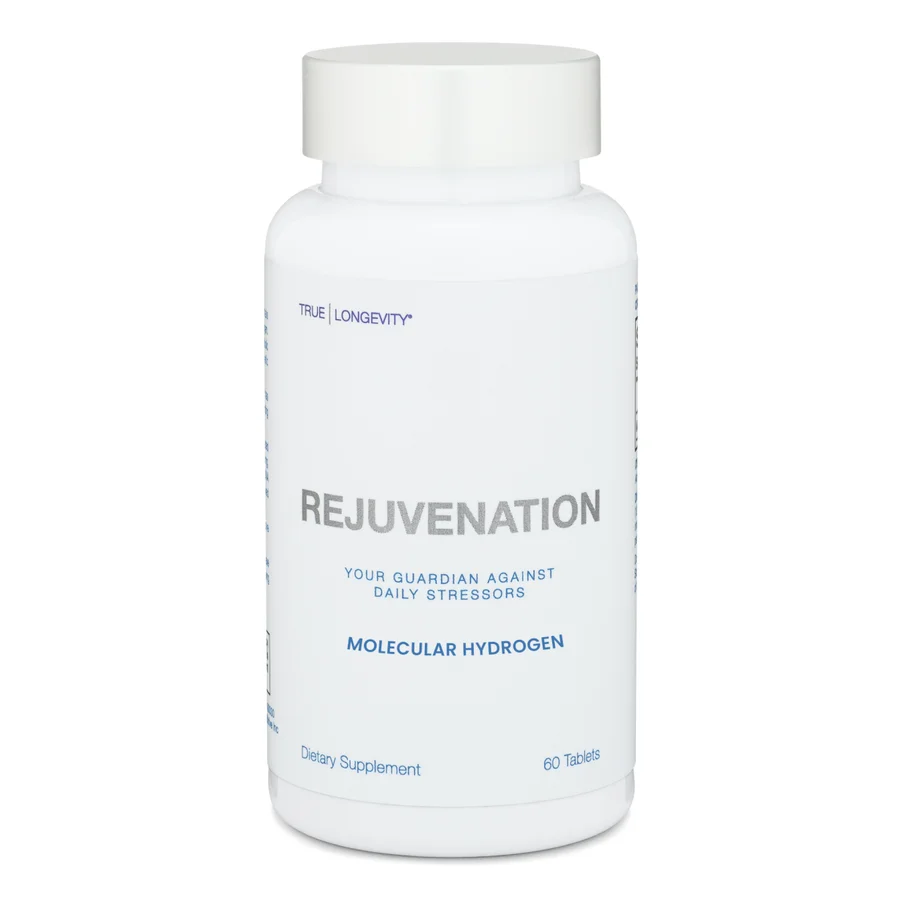
We also carry DrinkHRW Rejuvenation tablets, a drinkable hydrogen water tablet, for clients who want a daily, at-home way to continue supporting this pathway between visits. Our general recommendation is to take it on an empty stomach, which supports more effective delivery than taking it alongside food.
This pairs naturally with our other mitochondrial-focused modalities, Red Light Therapy and Hyperbaric Oxygen Therapy in particular, as part of a broader cellular health protocol.
MK Wellness services are non-medical and not intended to diagnose, treat, cure, or prevent any condition. Consult your physician before starting any wellness program.
Mentioned in This Article
Some links in this article are affiliate or referral links, and MK Wellness may earn a commission at no extra cost to you. Affiliate disclosure.
Put This Into Practice
The Energy & Vitality Protocol at MK Wellness
We build this goal around modalities that work better together. The core of the protocol:
About MK Wellness
MK Wellness was founded by Danielle Cordova after years of searching for real answers for her own family. Our Insights follow The MK Way: root cause over symptoms, the whole body as one system, and honest reporting on what the evidence does and doesn't show. This article is for general education, not medical advice.
Read our story →The MK Way Letter
Root-cause wellness, in your inbox.
Dani's notes on functional health, recovery science, and the habits and tools we actually use, with honest takes on what the research shows. No spam, unsubscribe anytime.
Keep Reading
Ready to start your protocol?
Book at MK Wellness