← All Articles
Cycle Syncing and Seed Cycling: Working With Your Hormones, Not Against Them
Your hormones change across your cycle, and so do your energy, strength, appetite, and recovery. Here's how cycle syncing and seed cycling work, what the research shows, and how to start.
MK Wellness InsightsFounded by Danielle Cordova, Cypress, TX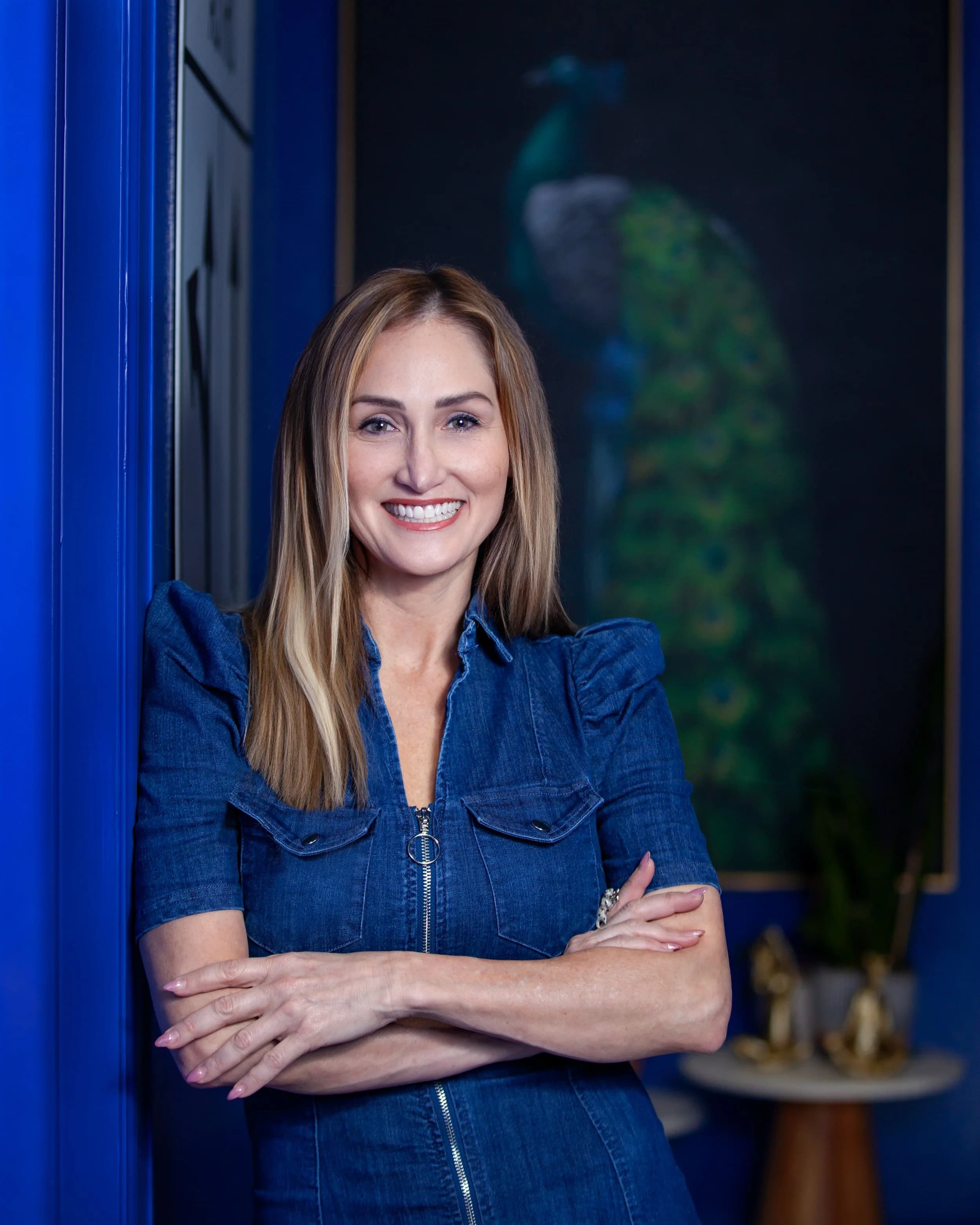
Most health advice treats women's bodies as if they're the same every day of the month. They're not. Estrogen, progesterone, and other hormones rise and fall across the menstrual cycle, and with them, energy, mood, strength, appetite, sleep, and how the body recovers. Cycle syncing is the practice of working with those changes instead of pushing against them.
It's a natural fit for The MK Way: listen to the body, support its rhythms, and look at the terrain.
The Four Phases of Your Cycle
Cycles vary, but a typical cycle of about 28 days has four phases:
1. Menstrual phase (roughly days 1–5). Estrogen and progesterone are at their lowest. Many women feel lower energy and want more rest and warmth.
2. Follicular phase (roughly days 6–13). Estrogen rises. Energy, mood, motivation, and strength often climb. A great time to start new things.
3. Ovulation (roughly days 14–16). Estrogen peaks, with a rise in testosterone. Many women feel their most energetic, social, and strong.
4. Luteal phase (roughly days 17–28). Progesterone rises, then both hormones fall before your period. Appetite often increases, body temperature rises slightly, and in the later days many women feel more tired, bloated, or irritable.
Tracking your cycle, with an app, a journal, or basal body temperature, is the first step. Your own pattern matters more than any textbook.
Cycle Syncing Your Life
Movement
- Menstrual: gentle movement like walking, stretching, and yoga, and more rest if you need it
- Follicular and ovulation: a great window for strength training, higher intensity, and personal bests
- Luteal: steady strength work and moderate cardio, with more recovery toward the end
Research on training by cycle phase is still developing, but a common thread from women's health experts like Dr. Stacy Sims is to respect how you feel, fuel enough, and never under-eat around training.
Food
- Menstrual: iron-rich foods like red meat, liver, and dark leafy greens to replace what's lost, plus warming meals
- Follicular: fresh vegetables, fermented foods, and lighter meals as energy rises
- Ovulation: plenty of fiber and colorful vegetables to support healthy estrogen clearance
- Luteal: more complex carbohydrates like sweet potatoes and root vegetables, plus magnesium-rich foods, since appetite and energy needs rise in this phase
Protein, vegetables, and fruit remain the foundation all month, as in our nutrition guide.
Rest and Recovery
The late luteal and menstrual phases are when many women benefit most from extra sleep, nervous system support, and gentle recovery. At MK Wellness, red light therapy, infrared sauna (skip it if you're trying to conceive and may be pregnant), Spinal Thermal Massage, and the NeuroVizr Sound Lounge are favorites for this time of the month.
For a full phase-by-phase plan, including when to cold plunge, sauna, and train, see Cycle-Synced Wellness: When to Cold Plunge, Sauna, and Recover in Every Phase.
Seed Cycling
What it is. A food-based practice of eating specific seeds in each half of the cycle:
- Days 1–14 (follicular): 1 tablespoon each of ground flax and pumpkin seeds daily
- Days 15–28 (luteal): 1 tablespoon each of ground sesame and sunflower seeds daily
Why people choose it. The idea is that the nutrients in each pair support the hormones of that phase: lignans in flax, zinc in pumpkin seeds, and selenium and vitamin E in sesame and sunflower seeds. Many women say it helps with PMS, cycle regularity, and skin.
What the research shows. Seed cycling itself hasn't been studied as a protocol. The individual nutrients are well studied: flaxseed has been shown to affect estrogen metabolism and cycle length, and zinc, selenium, and vitamin E each play roles in hormone health. It's a simple, nourishing, low-risk habit.
What to know. Grind flax for absorption, store seeds in the fridge, and add them to smoothies, yogurt, or salads. If you don't have a regular cycle, many practitioners suggest following the moon: start the first phase at the new moon.
When to Look Deeper
Cycle syncing supports a healthy cycle. It's also worth a deeper look, ideally with a functional practitioner and proper labs, if you have:
- Very painful, heavy, or irregular periods
- Missing periods, especially in active women and athletes. See eat enough, especially girls.
- Severe PMS or mood changes
- Trouble conceiving
- Signs of PCOS, like irregular cycles, acne, or excess hair growth. See PCOS from the root cause.
Our Hormone Health guide and thyroid labs article are good next reads.
MK Wellness services are non-medical and not intended to diagnose, treat, cure, or prevent any condition. This article is general education, not medical advice. Talk with your provider about menstrual changes, pain, or fertility concerns.
Mentioned in This Article
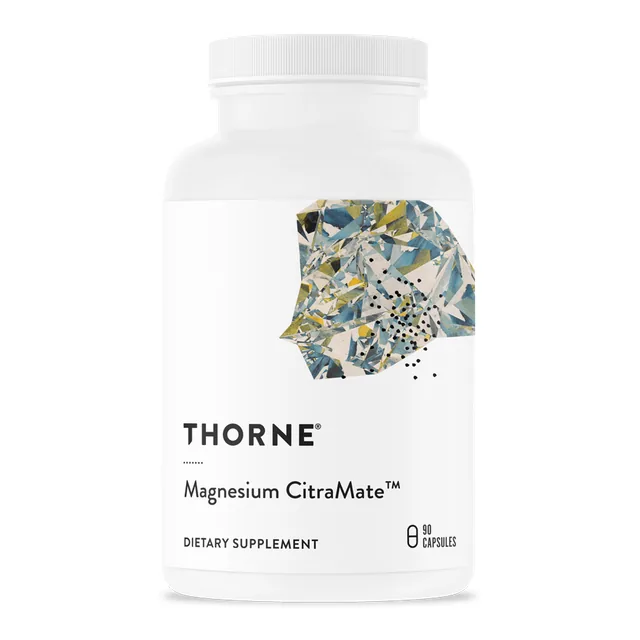
Some links in this article are affiliate or referral links, and MK Wellness may earn a commission at no extra cost to you. Affiliate disclosure.
Put This Into Practice
The Hormonal Balance Protocol at MK Wellness
We build this goal around modalities that work better together. The core of the protocol:
About MK Wellness
MK Wellness was founded by Danielle Cordova after years of searching for real answers for her own family. Our Insights follow The MK Way: root cause over symptoms, the whole body as one system, and honest reporting on what the evidence does and doesn't show. This article is for general education, not medical advice.
Read our story →The MK Way Letter
Root-cause wellness, in your inbox.
Dani's notes on functional health, recovery science, and the habits and tools we actually use, with honest takes on what the research shows. No spam, unsubscribe anytime.
Keep Reading
Ready to start your protocol?
Book at MK Wellness