← All Articles
PCOS From the Root Cause: Insulin, Inflammation, and What Actually Helps
Polycystic ovary syndrome affects about 1 in 10 women, and it's often handed a birth control prescription and little else. Here's the root-cause view: insulin, inflammation, stress, and the foods, habits, and supplements research supports.
MK Wellness InsightsFounded by Danielle Cordova, Cypress, TX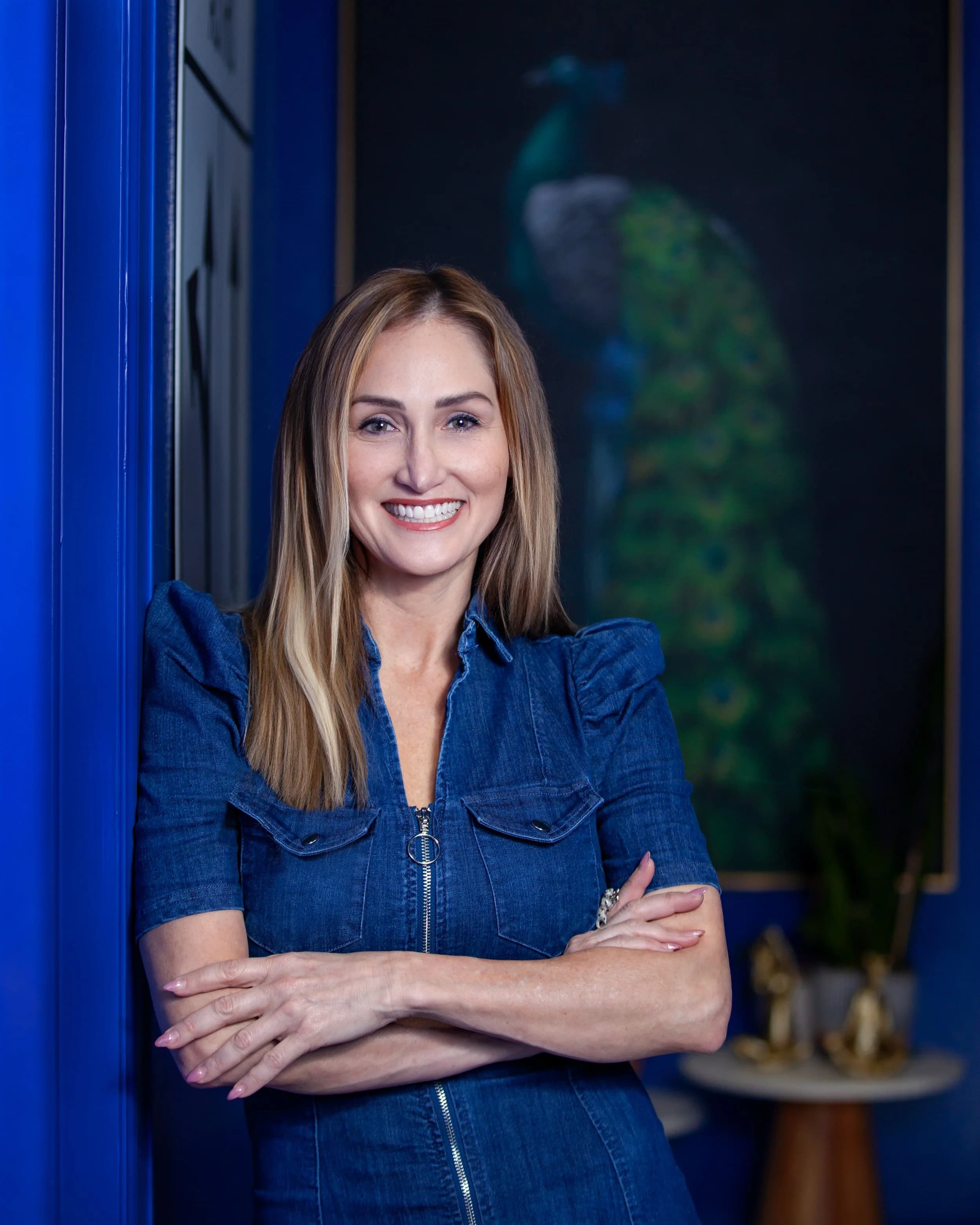
Polycystic ovary syndrome (PCOS) is one of the most common hormone conditions in women, affecting roughly 1 in 10. It's a leading cause of irregular cycles and fertility struggles, and it's closely tied to metabolic health. Yet many women are simply handed birth control to regulate their cycle, without a conversation about why their hormones are out of balance in the first place.
The root-cause view asks that question.
What PCOS Is
PCOS is usually diagnosed when a woman has at least two of three features:
- Irregular or missing ovulation, often shown as irregular periods
- Higher androgens ("male" hormones like testosterone), which can show up as acne, excess facial or body hair, or thinning hair on the scalp
- Polycystic-appearing ovaries on ultrasound (many small follicles)
Other common signs include weight gain around the middle, difficulty losing weight, sugar cravings, fatigue, and darkened skin patches on the neck or underarms.
The Root Causes
Insulin Resistance
This is the big one. A large share of women with PCOS have insulin resistance, including many who are lean. High insulin signals the ovaries to make more testosterone, which disrupts ovulation. It's why so much of the conversation around PCOS is really a conversation about blood sugar, the core of Dr. Benjamin Bikman's work on insulin resistance.
Inflammation
Women with PCOS tend to have higher levels of chronic, low-grade inflammation, which can worsen insulin resistance and androgen production.
Stress and the Adrenals
Some women have "adrenal PCOS," where androgens come mainly from the adrenal glands and stress plays a bigger role.
Other Contributors
Thyroid function, gut health, and environmental exposures like endocrine-disrupting chemicals are all part of the terrain practitioners look at.
Useful labs to ask about: fasting insulin and glucose, HbA1c, testosterone (free and total), DHEA-S, SHBG, LH and FSH, a full thyroid panel, vitamin D, and hs-CRP. See why standard thyroid labs miss so many women.
What Helps
Food
- Protein, vegetables, and fruit first, with fewer refined carbohydrates and added sugars, to steady blood sugar. See our nutrition guide.
- Protein and fat with every meal, and eating carbohydrates last in a meal, which research shows can blunt blood sugar spikes
- Fiber and colorful vegetables to support hormone clearance and the gut
- Anti-inflammatory fats like olive oil, avocado, and wild fish
- Some women do well with lower-carbohydrate or ketogenic approaches, and small studies have reported improvements in PCOS markers. Work with a practitioner, especially if trying to conceive.
Movement
- Strength training builds muscle, one of the body's biggest places to store and burn glucose
- A walk after meals helps lower blood sugar spikes
- Avoid chronic over-training, which can raise stress hormones
Sleep and Stress
Poor sleep worsens insulin resistance, and chronic stress can raise androgens. Protecting sleep and helping the nervous system out of fight-or-flight matters.
Supplements Practitioners Often Discuss
- Inositol (myo-inositol, often combined with D-chiro-inositol): one of the best-studied supplements for PCOS, with clinical trials showing improvements in insulin sensitivity, ovulation, and cycle regularity
- Berberine: studied for insulin sensitivity and PCOS, with some trials comparing it to metformin
- Magnesium, vitamin D, and omega-3s, which are often low
- Spearmint tea, which small studies have linked to lower androgen levels
- N-acetylcysteine (NAC), studied for insulin sensitivity and ovulation
Review supplements with your provider, especially if you take diabetes medications or are trying to conceive.
How MK Wellness Supports You
We don't treat PCOS, and we're here to support the terrain around it. Clients focused on metabolic and hormone health often use EWOT for cardiovascular fitness, red light therapy, infrared sauna, and EMS body contouring to build muscle, plus the NeuroVizr Sound Lounge for stress. 3D body scanning is a great way to track changes in body composition beyond the scale.
See our Hormonal Balance protocol and Metabolic Health guide.
MK Wellness services are non-medical and not intended to diagnose, treat, cure, or prevent any condition. This article is general education, not medical advice. PCOS should be diagnosed and managed with a qualified provider. Talk with your provider before starting supplements, especially if you're pregnant, trying to conceive, or taking medications.
Mentioned in This Article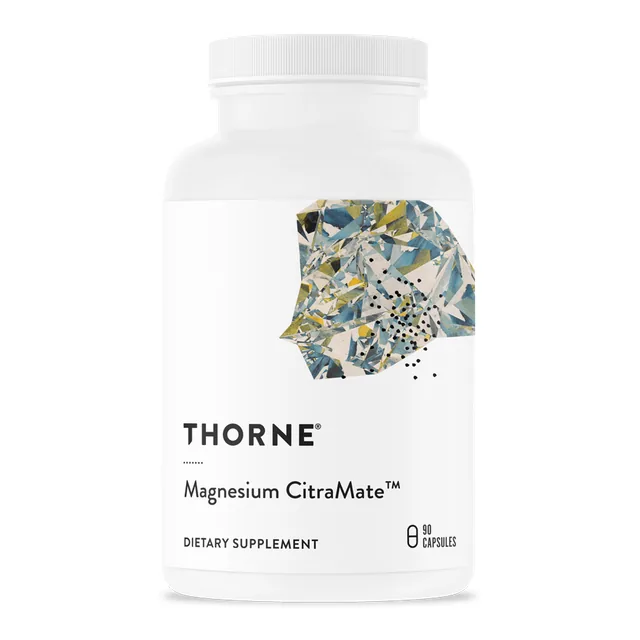
Thorne Magnesium CitraMate
Highly absorbable magnesium some athletes use to support muscle relaxation and recovery. Available through our Thorne dispensary.
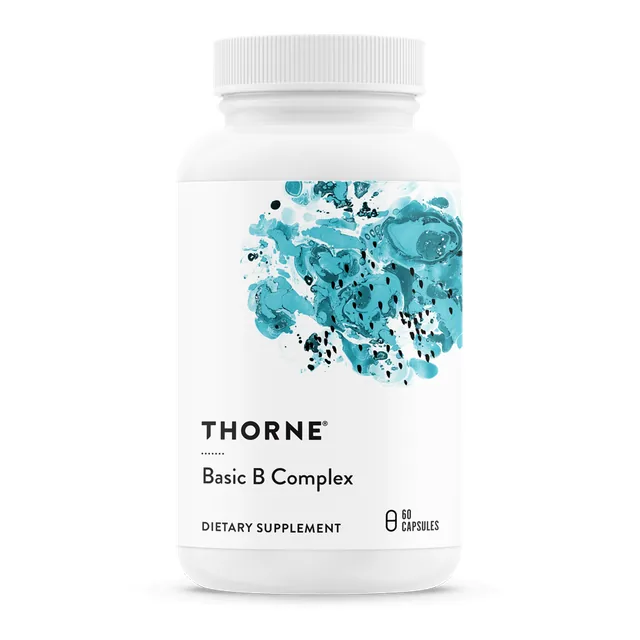
Shop Now →Thorne Basic B Complex
B vitamins that support energy metabolism, part of a daily foundation. Available through our Thorne dispensary.
Shop Now →Some links in this article are affiliate or referral links, and MK Wellness may earn a commission at no extra cost to you. Affiliate disclosure.
Put This Into Practice
The Hormonal Balance Protocol at MK Wellness
We build this goal around modalities that work better together. The core of the protocol:
About MK Wellness
MK Wellness was founded by Danielle Cordova after years of searching for real answers for her own family. Our Insights follow The MK Way: root cause over symptoms, the whole body as one system, and honest reporting on what the evidence does and doesn't show. This article is for general education, not medical advice.
Read our story →The MK Way Letter
Root-cause wellness, in your inbox.
Dani's notes on functional health, recovery science, and the habits and tools we actually use, with honest takes on what the research shows. No spam, unsubscribe anytime.
Keep Reading
Ready to start your protocol?
Book at MK Wellness