← All Articles
Mitochondria From the Root: Why Your Cells' Energy Matters for Everything, What Drains It, and How to Build It Back
Your mitochondria make the energy every cell runs on, and researchers now count their decline among the hallmarks of aging. Here's what they do, what drains them, what the research shows, the tests that help, and how to build your energy back, from Dr. Casey Means, Dr. Rhonda Patrick, Dr. Thomas Seyfried, Dave Asprey, and more.
MK Wellness InsightsFounded by Danielle Cordova, Cypress, TX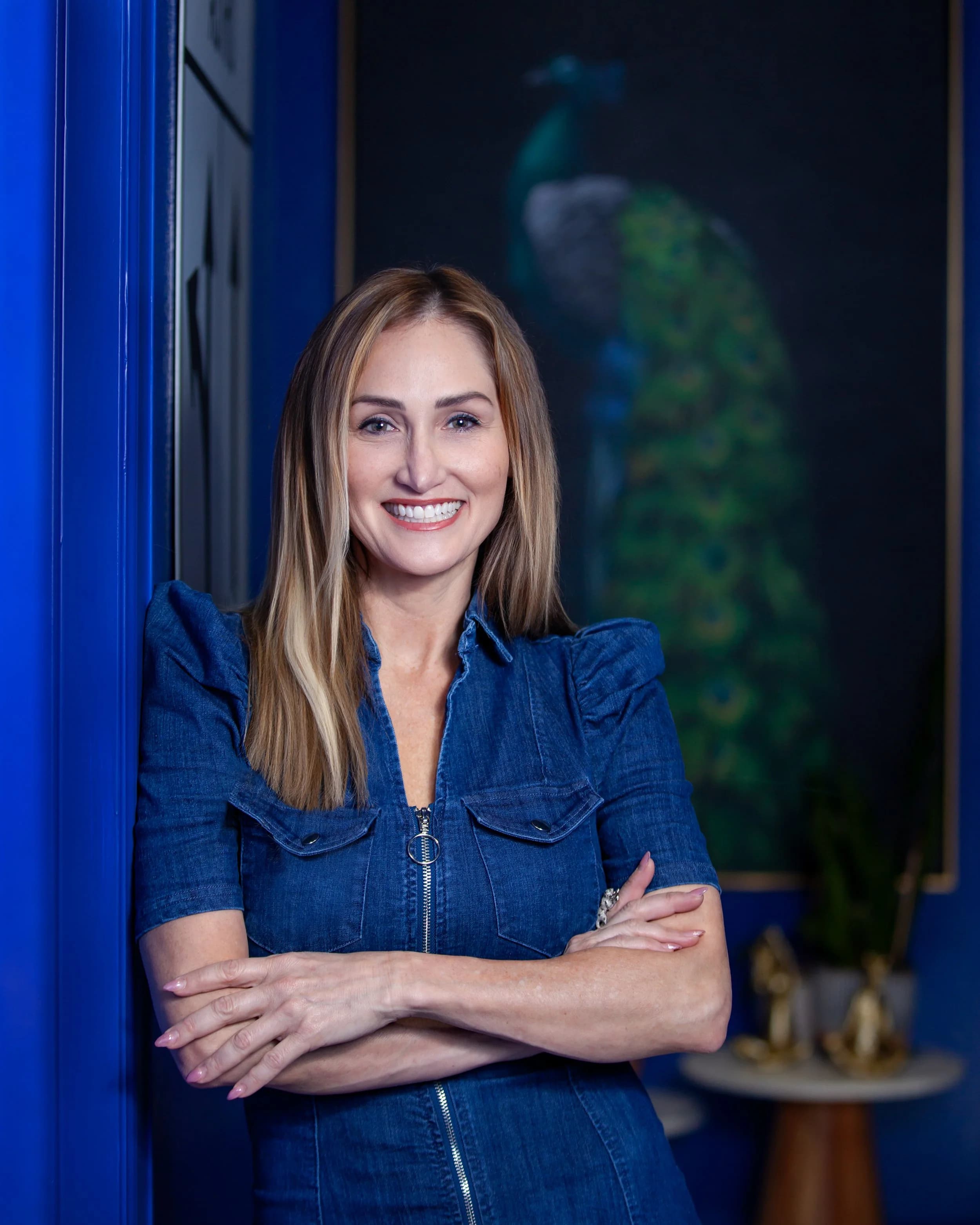
On this page (11 sections)
- What Your Mitochondria Do
- How Functional Doctors and Researchers See It
- What Drains Your Mitochondria
- What the Research Shows
- The Tests That Help
- Getting Answers Without Spending Thousands
- The Approaches That Build Mitochondria
- What to Know Before You Start
- Questions to Bring to Your Practitioner
- Where MK Wellness Fits
- Go Deeper
Tired no matter how much you sleep? Foggy, slow to recover, gaining weight you can't explain? Before you blame your age, look at your mitochondria, the tiny engines inside nearly every cell that turn food and oxygen into the energy your body runs on.
When they're strong, you feel it: steady energy, a clear head, quick recovery. When they struggle, everything downstream struggles with them. This guide covers what they do, what drains them, what the research shows, the tests that help, and how to build your energy back.
At a glance
Research stagePromising
Positive randomized or controlled human trials; still being confirmed.
What it is
A root-cause approach to energy: support the mitochondria, the engines in your cells, with movement, light, heat and cold, real food, sleep, and fewer toxins.
Why people choose it
For low energy, slow recovery, brain fog, stubborn weight, and healthy aging. Functional doctors see mitochondria at the root of many chronic problems.
What the research shows
Mitochondrial dysfunction is one of the 12 hallmarks of aging, exercise rebuilds mitochondria at any age, and red and near-infrared light act directly on the mitochondria.
Know first
Build up intensity gradually, check with your doctor before hard exercise, saunas, or cold if you have a heart condition, and choose supplements with a practitioner.
Where to get it: Most of this is free: move, get morning light, sleep, and eat real food. Therapies like red light, oxygen, and sauna add to it.
What Your Mitochondria Do
They're often called the powerhouse of the cell, but that undersells them. Your mitochondria:
- Make ATP, the energy currency for every muscle contraction, thought, heartbeat, and hormone
- Decide when damaged cells should die, clearing the way for healthy ones
- Signal inflammation when they're under stress
- Set your metabolic rate, shaping how well you burn fuel instead of storing it
- Coordinate repair, talking with the nucleus after damage
Muscle, brain, heart, and liver cells hold the most mitochondria, which is why low mitochondrial energy so often shows up as fatigue, brain fog, and slow recovery.
How Functional Doctors and Researchers See It
- Energy is at the root. Dr. Casey Means, a medical doctor trained as a surgeon, explains in Good Energy that metabolic dysfunction is "the key reason why we develop symptoms and diseases" (caseymeans.com). In her view, many conditions that look separate share one root: cells that can't make energy well.
- Mitochondria and aging. The researchers behind the landmark "hallmarks of aging" list mitochondrial dysfunction among the 12 drivers of aging (Cell, 2023).
- Mitochondria and cancer. Dr. Thomas Seyfried of Boston College argues that "impaired cellular energy metabolism is the defining characteristic of nearly all cancers" (Nutrition & Metabolism, 2010).
- Good stress builds resilience. Dr. Rhonda Patrick, who studied mitochondrial metabolism for her PhD at St. Jude Children's Research Hospital, teaches how "biological stressors such as heat, cold exposure, phytochemicals" strengthen the body (foundmyfitness.com).
- Upgrade one cell at a time. Dave Asprey, known as the Father of Biohacking, built his work around helping people "upgrade to a happier, more conscious state, one cell at a time" (daveasprey.com).
- Clear the interference. Dr. Daniel Pompa's cellular detox focuses on toxins that get in the way of cellular energy.
What Drains Your Mitochondria
- Sitting still. Mitochondria respond to demand. Without movement, your body makes fewer of them.
- Chronic stress, which keeps cortisol high and wears down cellular energy
- Poor sleep, when much of the body's cellular cleanup happens
- Processed food, sugar, and seed oils, which feed inflammation and blood sugar swings
- Insulin resistance, which leaves cells starved for fuel even when there's plenty around. See Dr. Bikman on insulin resistance.
- Toxins: heavy metals, mold, and everyday chemicals. See mold illness and the non-toxic home.
- Missing nutrients your mitochondria need, like B vitamins, magnesium, iron, and CoQ10
What the Research Shows
10 of 13quality trials found red or near-infrared light improved exercise performance, best when used before exerciseLasers in Medical Science, 2015
12 weeksof interval training reversed many age-related changes in mitochondrial proteins, especially in older adultsCell Metabolism, 2017
- Exercise rebuilds mitochondria at any age. In a 12-week trial, high-intensity interval training (HIIT), strength training, and both combined all improved insulin sensitivity and lean muscle. HIIT and combined training also improved muscle mitochondrial function, and HIIT "reversed many age-related differences" in mitochondrial proteins, particularly in older adults (Cell Metabolism, 2017).
- Red and near-infrared light act on the mitochondria. The main place cells absorb this light is the mitochondria, at an enzyme called cytochrome c oxidase. The leading explanation is that light frees it from nitric oxide, restoring the flow of energy production (Photochemistry and Photobiology, 2018).
- Light before exercise: across 13 quality trials, 10 found red or near-infrared light improved performance, with the most consistent results when it was used before exercise (Lasers in Medical Science, 2015).
- Mitochondria and aging: researchers count mitochondrial dysfunction among the 12 hallmarks of aging, alongside chronic inflammation and an out-of-balance microbiome (Cell, 2023).
The Tests That Help
There's no single blood test for mitochondria, but these show what's draining your energy:
- Blood sugar and insulin: fasting glucose, fasting insulin, and HbA1c
- Thyroid: TSH, free T4, free T3, and antibodies. See your thyroid from the root.
- Iron: ferritin and a complete blood count
- Energy nutrients: B12, folate, magnesium, and vitamin D, plus CoQ10 if you take a statin
- Inflammation: hs-CRP
- An organic acids test, a functional urine test many practitioners use to look at markers of cellular energy production
- Your fitness: a VO2 max test shows how well your body uses oxygen, one of the strongest markers of healthy aging
- Body composition: muscle holds more mitochondria than fat. Our 3D body scan tracks your muscle over time.
Getting Answers Without Spending Thousands
- Start free: a daily walk, morning sunlight, and a consistent bedtime cost nothing and work on your mitochondria every day.
- Read and listen: Good Energy (Dr. Casey Means), Dr. Rhonda Patrick's free FoundMyFitness, and Dave Asprey's books, Head Strong and Smarter Not Harder, and his podcast, The Human Upgrade.
- Start with standard labs through your doctor, and add an organic acids test with a practitioner only if your energy stays low.
- A physician under our roof: we refer our clients to Dr. Tina Hills, D.O., and her practice, PHMX, and now she sees clients right here a few days a week. Her Living Protocol is a whole-person consult and a written plan with clear next steps, at a set price.
The Approaches That Build Mitochondria
- Move every day, and push sometimes. Walk daily, strength train 2 to 3 times a week, and add short intervals as your fitness allows.
- Get light: morning sunlight without sunglasses, building up gradually and never burning, plus red and near-infrared light.
- Use heat and cold as good stress: the sauna and short cold exposure, built up gradually.
- Eat real food: protein, vegetables, and fruit, with sweet potatoes, rice, or potatoes for energy. Skip seed oils, refined sugar, and ultra-processed snacks.
- Steady your blood sugar, and try time-restricted eating if it suits you. See ketosis and fasting.
- Sleep 7 to 9 hours on a steady schedule.
- Clear the load: sweat, reduce toxins at home, and support your detox pathways.
- Feed your mitochondria: B vitamins, magnesium, and CoQ10 through food first, and supplements with a practitioner. See our guides to NAD+ and molecular hydrogen.
What to Know Before You Start
Know first
- Build intensity gradually, especially intervals, heat, and cold.
- Heart condition, high blood pressure, or pregnancy? Check with your doctor before hard exercise, saunas, or cold exposure.
- Protect your eyes during red light sessions, and follow the device's guidance.
- Choose supplements with a practitioner, especially if you take medicines.
Questions to Bring to Your Practitioner
Questions to ask
- Could my blood sugar, thyroid, iron, or B12 be draining my energy?
- Would an organic acids test help in my case?
- What kind of exercise is right for my fitness and health today?
- Are heat and cold safe for me, and how should I start?
Where MK Wellness Fits
Many of our therapies support the mitochondria from different angles, and they work best stacked with daily habits:
- Light: red light therapy, red and near-infrared light that cells absorb at the mitochondria
- Oxygen: mild hyperbaric oxygen and EWOT, exercise while breathing concentrated oxygen
- Heat and good stress: the infrared sauna and HOCATT
- Cellular energy: PEMF, the BioCharger, and Nano Vi
- Cold: the Dry Cryo Float
See our Energy & Vitality protocol for how they fit together. For NAD+ and nutrient IVs, which we don't offer, we refer our clients to Dr. Tina Hills, D.O., who now sees clients right under our roof.
Go Deeper
- Food Is the Terrain: the Standard American Diet, gluten, grass-fed and grass-finished meat, and where to shop clean
- Red light: how it works and methylene blue and red light
- NAD+, molecular hydrogen, and Dr. Pompa's cellular detox
- Dr. Bikman on insulin resistance and ketosis and fasting
- The experts we learn from
MK Wellness services are non-medical and not intended to diagnose, treat, cure, or prevent any condition. MK Wellness and PHMX are two separate, independent businesses. This article is general education, not medical advice, and includes no doses or protocols. Talk with your doctor before starting a new exercise program, heat or cold exposure, or supplements, especially if you have a heart condition, are pregnant, or take medicines.
Mentioned in This Article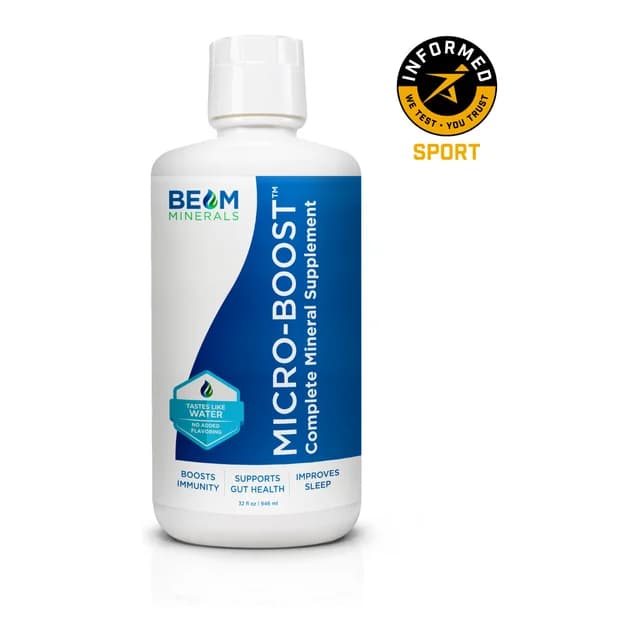
BEAM Minerals: Micro-BOOST + Electrolyze
Our first suggestion before any other supplement: humic and fulvic liquid minerals (Micro-BOOST) and liquid electrolytes (Electrolyze). Tap to ask for our practitioner link to order online.
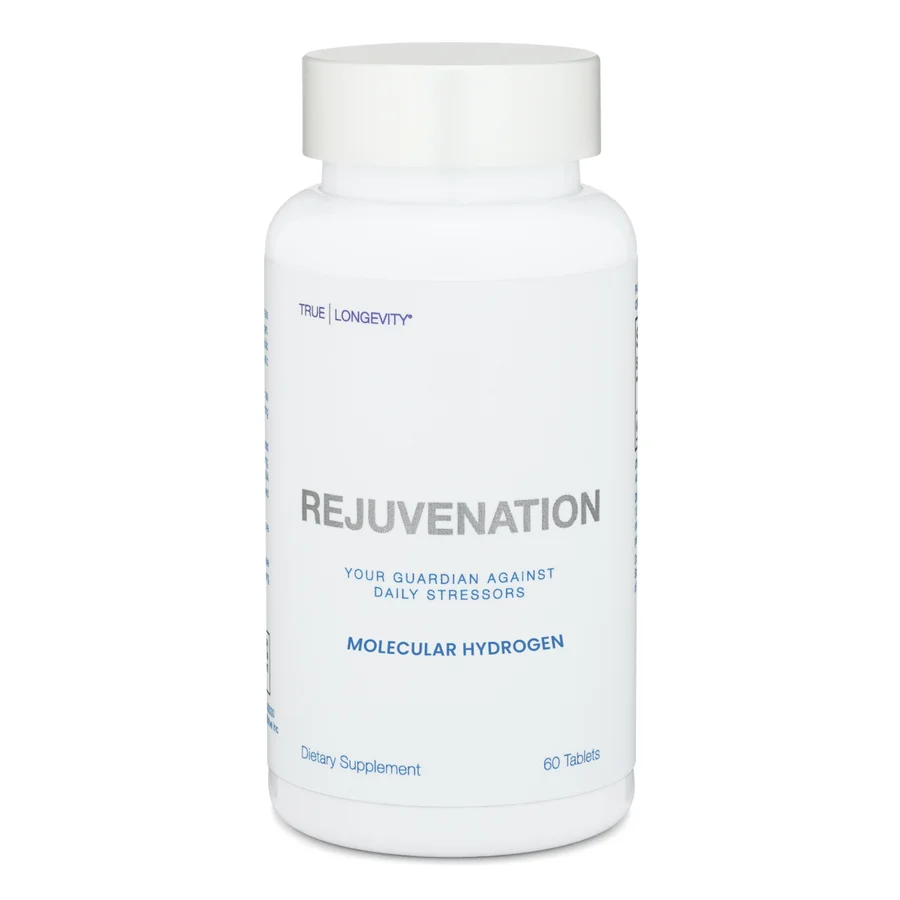
Learn More →DrinkHRW Rejuvenation Tablets, Raspberry
Drinkable hydrogen water tablets, a simple daily antioxidant habit between visits. Dani's pick: raspberry flavor.
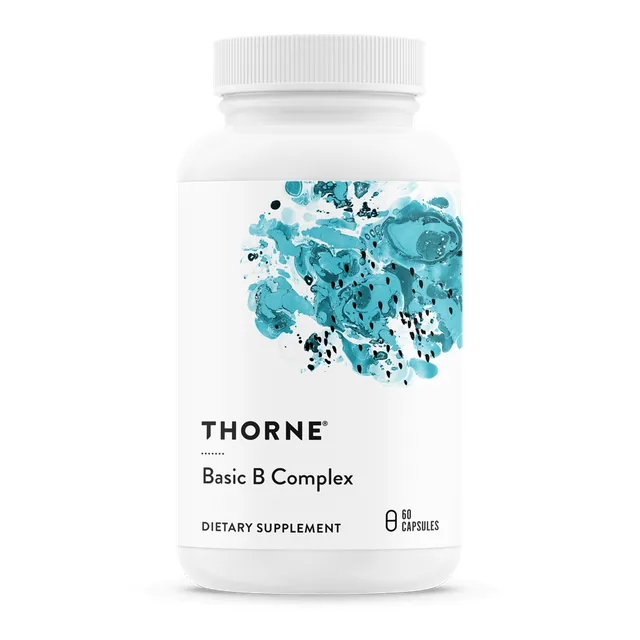
Shop Now →Thorne Basic B Complex
B vitamins that support energy metabolism, part of a daily foundation. Available through our Thorne dispensary.
Shop Now →Some links in this article are affiliate or referral links, and MK Wellness may earn a commission at no extra cost to you. Affiliate disclosure.
Put This Into Practice
The Energy & Vitality Protocol at MK Wellness
We build this goal around modalities that work better together. The core of the protocol:
About MK Wellness
MK Wellness was founded by Danielle Cordova after years of searching for real answers for her own family. Our Insights follow The MK Way: root cause over symptoms, the whole body as one system, and honest reporting on what the evidence does and doesn't show. This article is for general education, not medical advice.
Read our story →The MK Way Letter
Root-cause wellness, in your inbox.
Dani's notes on functional health, recovery science, and the habits and tools we actually use, with honest takes on what the research shows. No spam, unsubscribe anytime.
Keep Reading
Ready to start your protocol?
Book at MK Wellness